
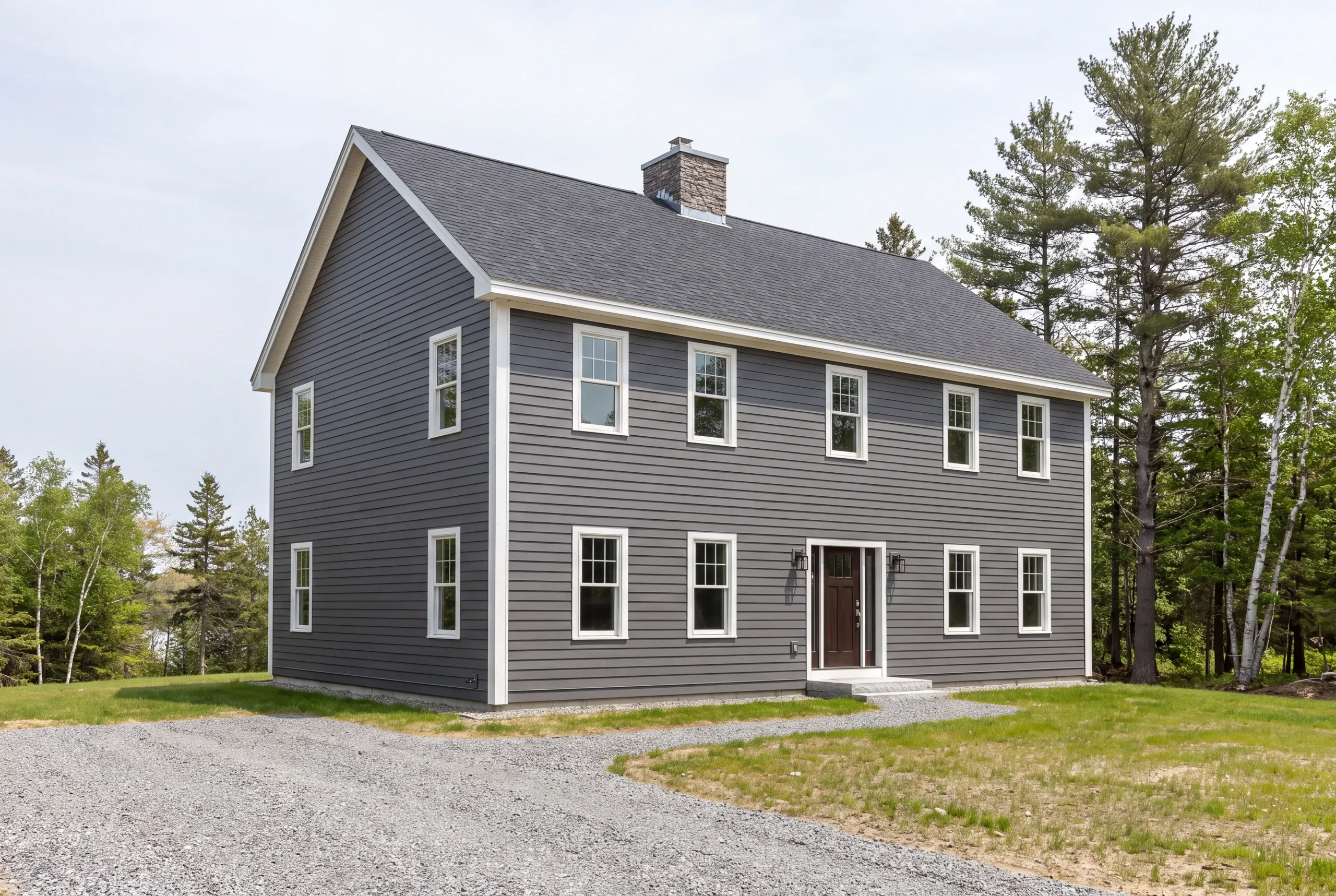
Premium Siding Contractors | Kenneth Cox Construction
Kenneth Cox Construction has worked as a siding contractor in MidCoast Maine since 1988, and the part of the job that determines its lifespan is the part you never see again.
- 38 years in business, since 1988
- Over 250 projects completed
- Affordable work, two-year written warranty
Siding does most of the work of keeping a wall dry, but it never does all of it. The layer that decides how long your wall lasts is the one you cover up: sheathing, a water-resistive barrier lapped so water runs down and out, and flashing tied into every window, door and pipe.
Open an older MidCoast wall and you often find felt paper that quit working decades ago, or bare boards with nothing behind them at all. Water that reaches that point soaks into sheathing instead of draining away. New boards over that assembly look sharp and hide the same rot.
Kenneth Cox Construction has been siding houses from the coast, where salt chews on everything, to inland towns where frost and snow load do the damage, since 1988. Ken details the wall assembly himself, and the finished work carries a written two-year workmanship warranty.
Why trust us with your siding project?
You can trust us with your siding project because we have sided houses across MidCoast and Central Maine since 1988, on the coast where salt does the damage and inland where ice does. Kenneth Cox Construction has been siding houses across MidCoast and Central Maine since 1988, on the coast where salt does the damage and inland where snow and frost do.
We are BBB accredited and back every installation with a written two-year workmanship warranty.
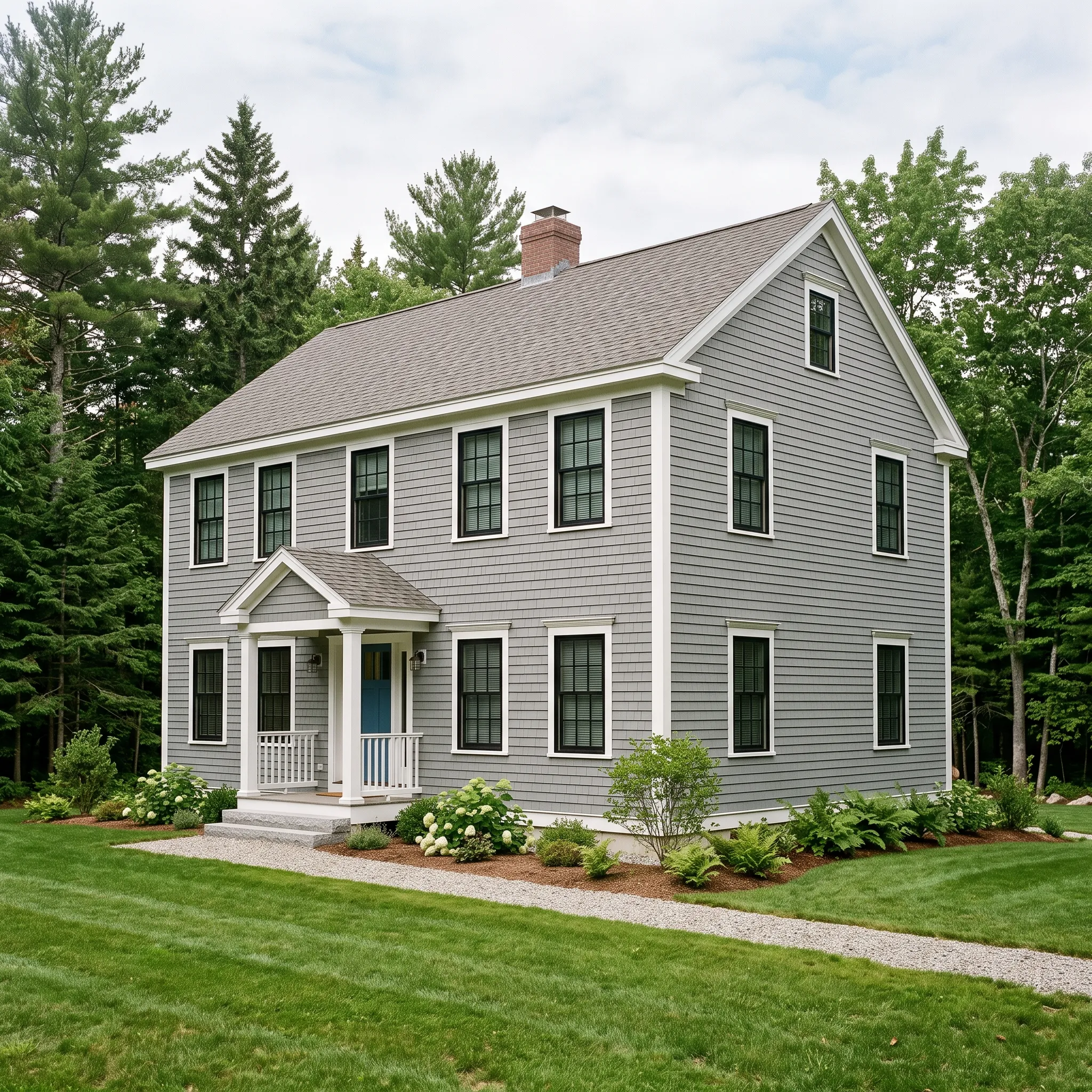
How much does new siding cost in MidCoast Maine?
New siding in MidCoast Maine costs what the wall area and the condition underneath decide, and the bands below are where most whole-house jobs land.
Treat these as the bands most whole-house siding jobs fall into, averaged over many of them. Wall area, the number of windows and corners, and the condition of what is behind the old siding all move a job inside its band.
| Material | What the range covers | Typical range |
|---|---|---|
| Vinyl | Tear-off, wrap, flashing, standard trim | $14,000 to $26,000 |
| Engineered wood | Tear-off, wrap, flashing, prefinished trim | $23,000 to $36,000 |
| Fiber cement | Tear-off, wrap, flashing, factory finish | $29,000 to $47,000 |
| Eastern white cedar | Tear-off, wrap, flashing, site or factory finish | $32,000 to $55,000 |
None of those numbers include sheathing replacement, because until the old siding is off, nobody knows how much there is. On a wall that has been taking water at a window head or a band board for a decade, that repair can be a meaningful share of the job, and it is the part that decides how long the new siding lasts.
Which other services do we offer in MidCoast Maine?
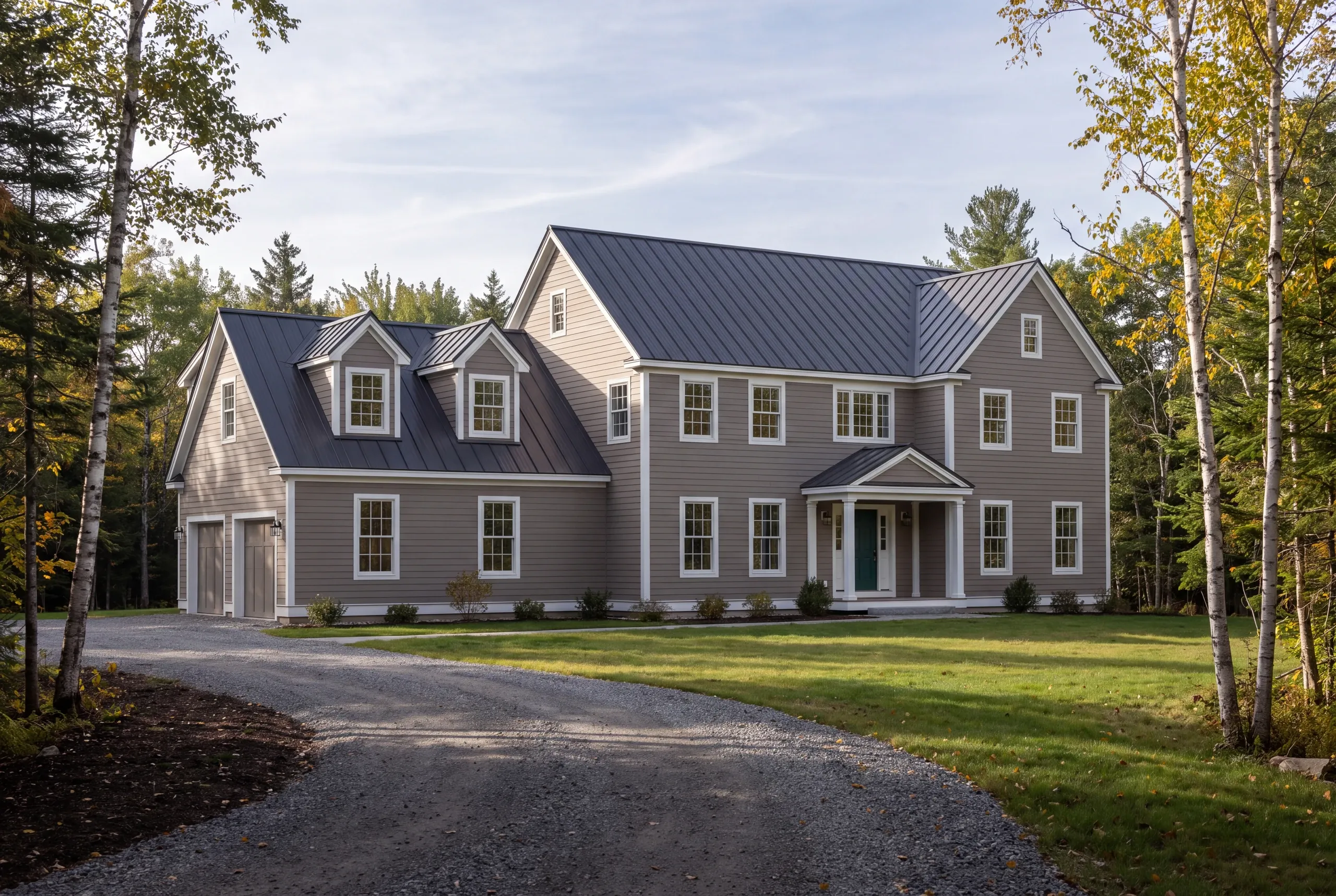

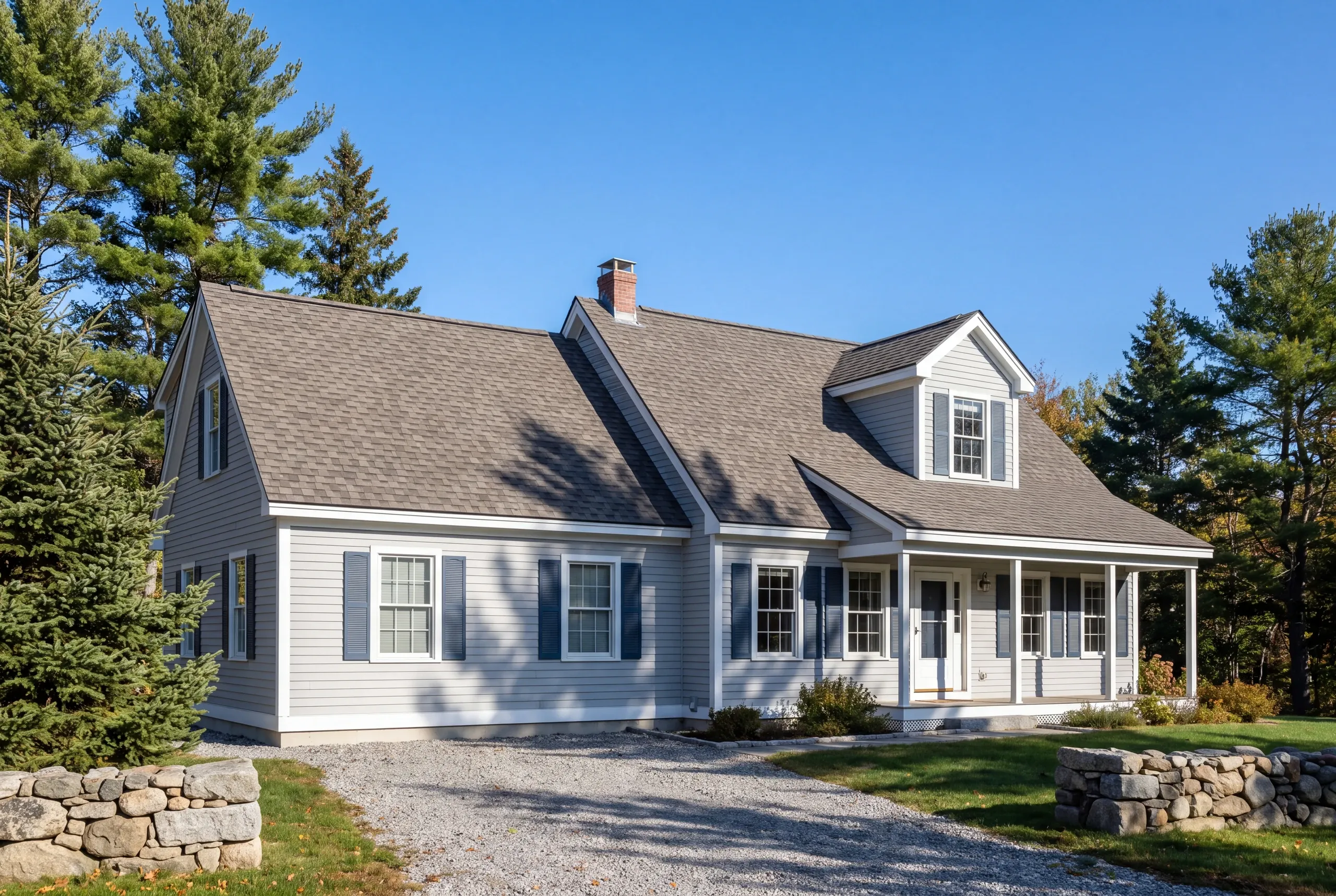

What Siding Services Do We Offer?
- siding removal and old-material disposal
- sheathing inspection and repair
- water-resistive barrier and flashing installation
- vinyl siding installation and replacement
- fiber-cement siding installation and replacement
- engineered-wood siding installation and replacement
- wood and cedar siding installation and replacement
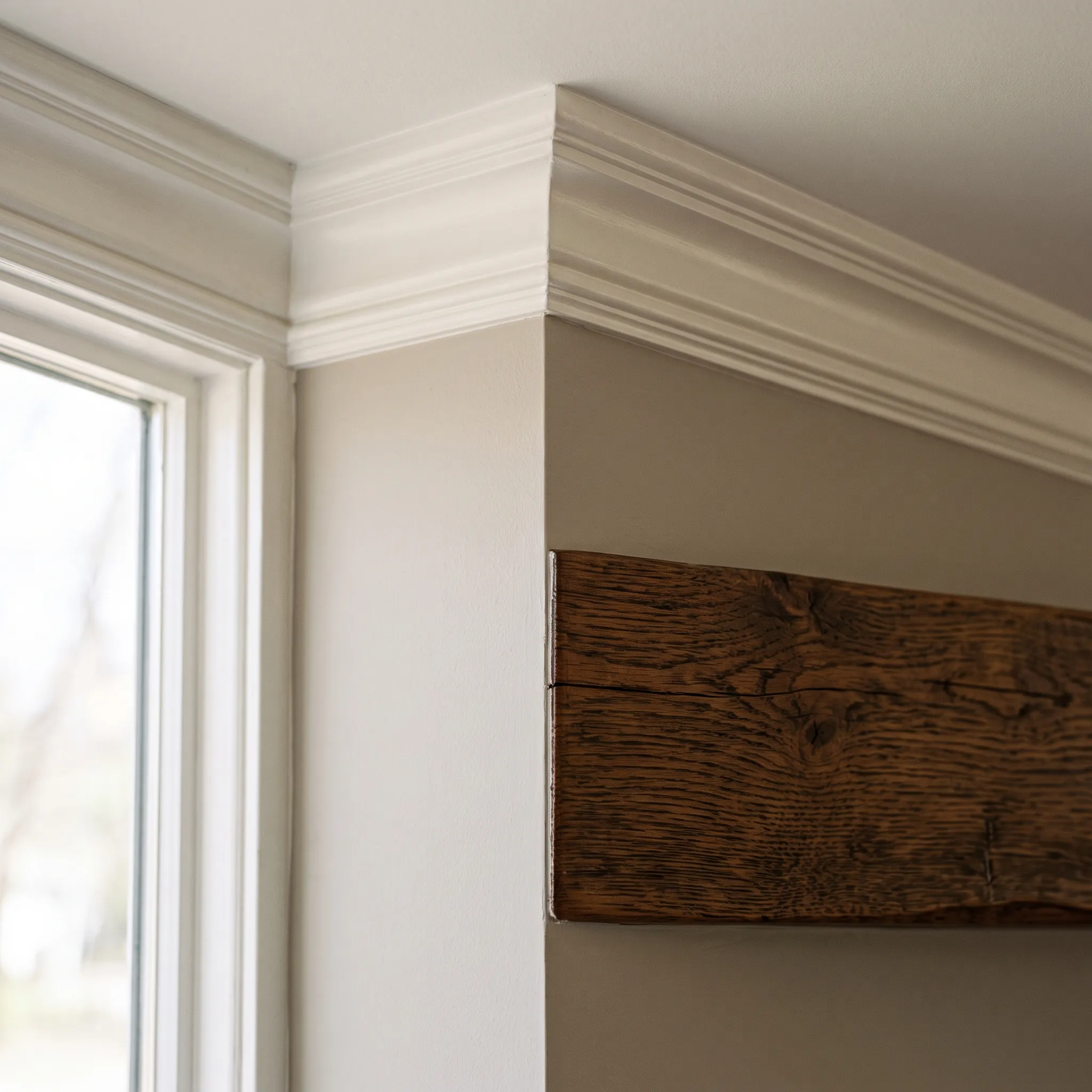
- exterior trim replacement
- continuous exterior insulation during re-siding
- single-elevation and whole-house siding replacement
How does our siding process work?
Get your free quote
Ken reads every elevation, works out which walls are genuinely failing, and prices the assembly rather than only the surface.
We bring your project to life
Tear-off, sheathing repair, barrier, flashing, siding and trim in order, with the house weathertight at the end of every day.
Enjoy your new space
Walls that shed water properly and a repainting schedule that stops running your calendar.
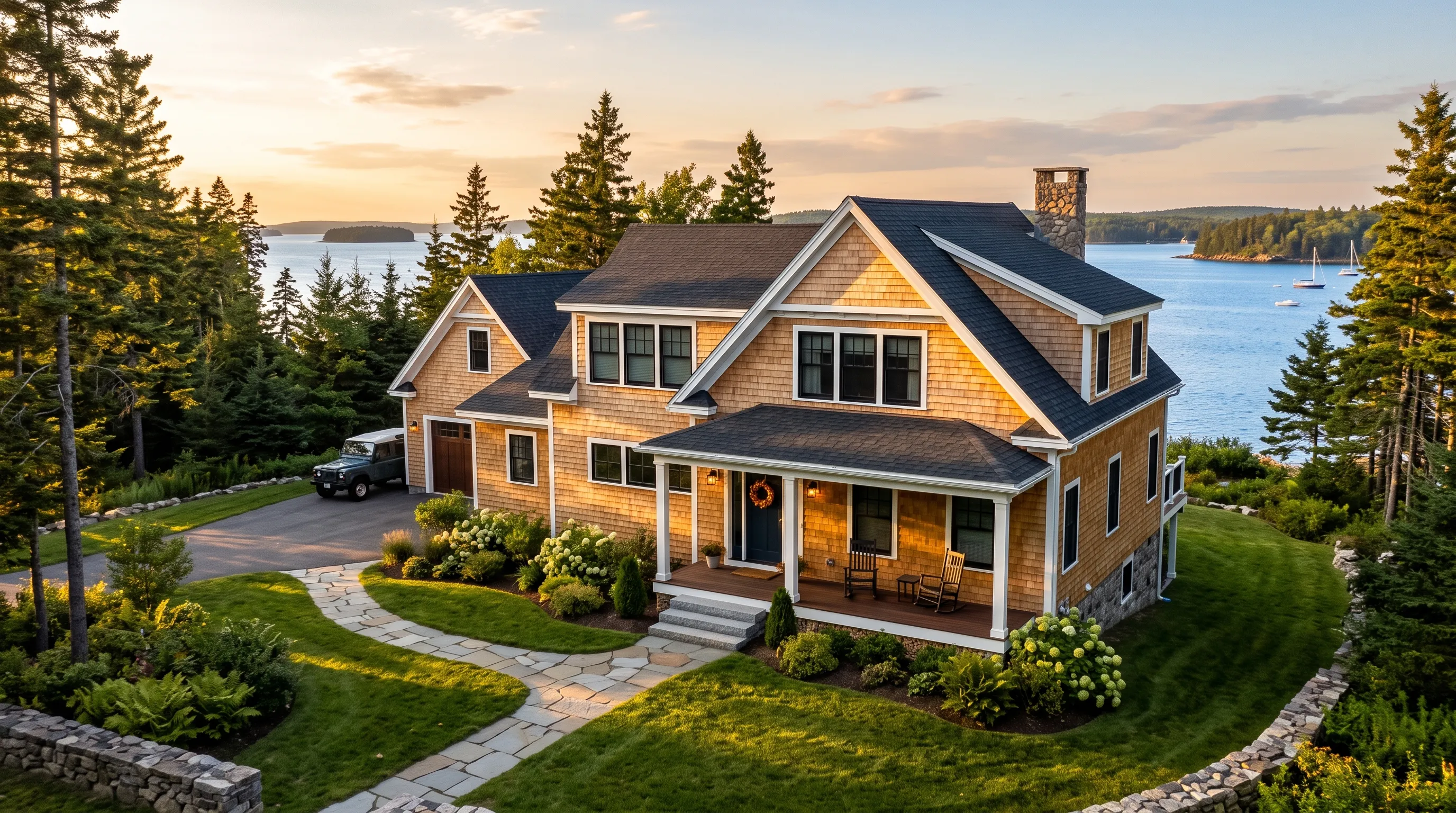
The wall behind the siding
A modern exterior wall is a system. Sheathing, a water-resistive barrier lapped so gravity carries water downward and outward, flashing integrated at every opening and penetration, and then the visible material over the top.
When we open a wall in this region, the barrier is often felt paper that stopped working decades ago, or nothing at all on the older stock. Water reaching that layer has been soaking into sheathing rather than draining out.
New siding installed over that assembly gives you a handsome wall and the same problem. The board is the cheapest part of a siding job to get right and the assembly behind it is the part worth paying for.
Siding sheds most of the water and it does not stop all of it. What happens to the water that gets past the surface is the whole question, and it is settled behind the boards.
Ken specifies that assembly himself, and every wall we finish carries a 2-year workmanship warranty from a BBB accredited company.
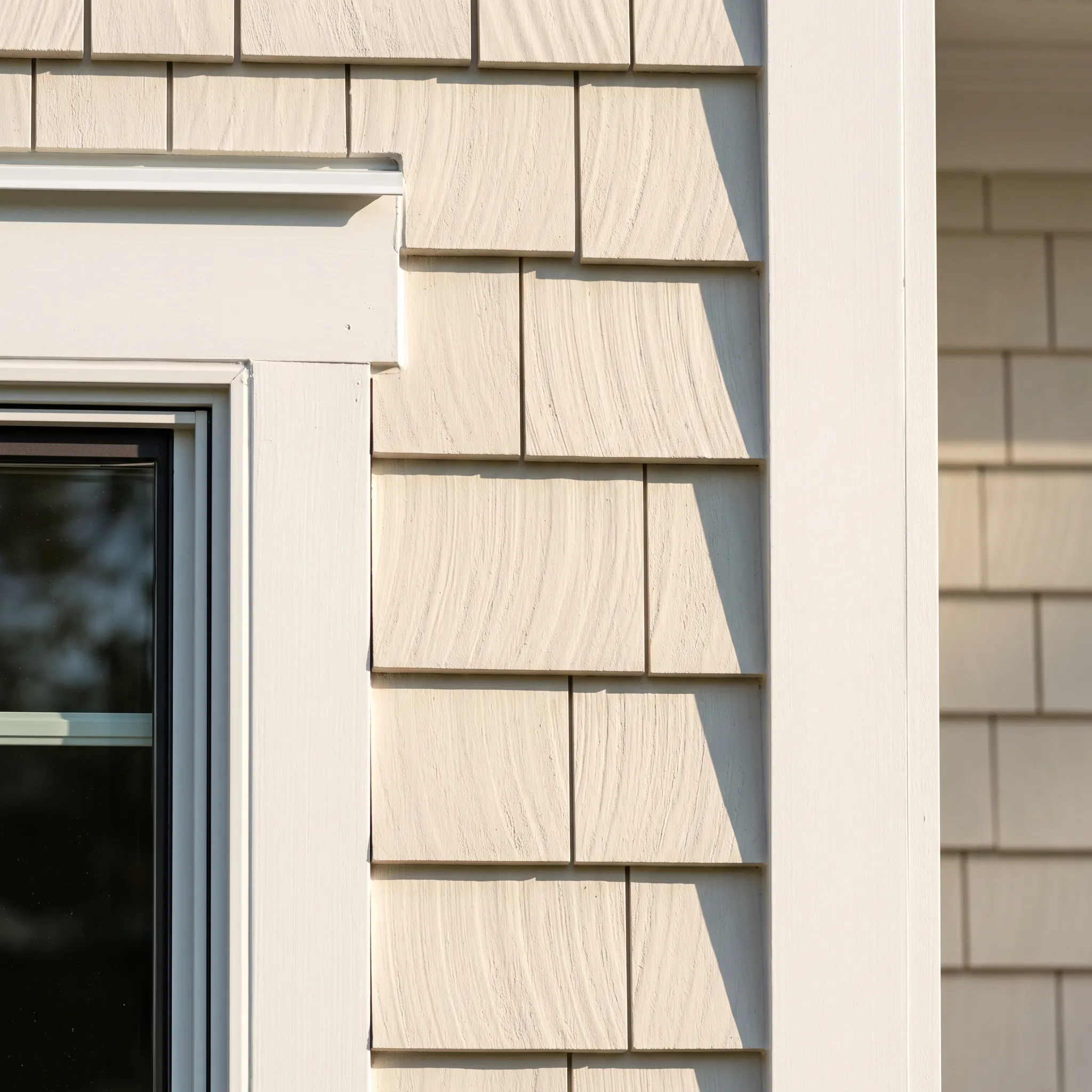
Going over existing siding is faster and it hides whatever the sheathing is doing. On the houses we work on that is rarely a risk worth taking.
Stripping to the sheathing costs more on the day and it is the only version where anybody knows what the new material is being fastened to.
Fiber cement is our first choice for a wall that takes sustained wind and rain. Vinyl is the practical choice for an owner who wants lower upkeep and a tighter starting budget.
Cedar and other wood products remain the right answer when the texture and proportions of a traditional exterior matter enough to justify regular finishing.
- Cedar and other wood suit historic houses and ask for maintenance in return
- Fiber cement holds a paint line far longer on an exposed wall
- Engineered wood and vinyl both perform well when the assembly behind them is right
Exposure decides more than taste does. A bay-facing wall and a sheltered inland wall genuinely want different fasteners and different finishes.
The field of a wall is simple and repetitive. Corner boards, window casings, the water table at the base and the rake detail are where the work shows and where the failures start.
We price trim as its own scope rather than treating it as the thing left over at the end.
Re-siding is the one chance most houses get to improve the wall assembly, and adding continuous exterior insulation is far cheaper now than as its own project later.
It changes the trim depth around every opening, which is exactly why some crews leave it out. Efficiency Maine sometimes has rebates that apply.
We recommend pricing insulation whenever the old siding is coming off, then deciding before the trim package is ordered. The wall is already open and the staging is already in place.
Waiting turns the same upgrade into a second tear-off project, which rarely makes financial sense.
A complete re-side starts with removal and responsible disposal of the old material. Once the wall is visible, we inspect sheathing for softness and delamination, along with staining or failed fasteners.
Damage gets repaired before the new weather layer hides it again.
The next layer is the water-resistive barrier. It must lap in the same direction water travels and connect correctly to the head flashing and sill pans, the doors, and every penetration for pipes, vents or wiring.
Tape alone is not a flashing strategy. We build each opening so incidental water returns to the exterior instead of collecting inside the wall.
Only then do we install the chosen siding and exterior trim. The scope may also include continuous insulation, new soffits and fascia, or a single-elevation replacement where the other walls remain sound.
We write those choices as separate parts of the proposal so you can see what protects the building and what changes its appearance.
A targeted repair is the better value when damage is confined to one elevation and we can integrate new flashing and barrier with sound existing work. Many houses take nearly all of their weather on one side.
Replacing three healthy walls just to reach the fourth is unnecessary.
A full re-side becomes the honest recommendation when material is brittle across the building, several openings leak, or previous cover-over work prevents a reliable tie-in. Repeated small repairs cost more once crews must keep rebuilding the same staging and reopening adjacent trim.
We show you which condition we found and explain why the scope stops where it does.
Fiber cement is worth its premium on elevations where wind-driven rain and long wetting cycles punish wood finishes. It holds paint well and does not move like vinyl, but it is less forgiving during installation.
Cut edges, fastener placement, joint treatment, and clearance above roofs and grade all matter.
We do not recommend fiber cement merely because it costs more. A sheltered wall with straightforward trim may be well served by vinyl or engineered wood.
The material earns its place when exposure, appearance, and the owner's maintenance expectations line up with its strengths.
Vinyl is the practical value material in this market. It does not need repainting, individual pieces can often be replaced after damage, and the installed cost is usually below painted products.
Good vinyl work still depends on a flat substrate, room for thermal movement, and accurately set accessories around every opening.
We will not use vinyl to conceal a wall that needs repair. Buckled panels and wavy courses often begin with uneven sheathing or overdriven fasteners, while leaks commonly begin at trim and flashing.
Correcting those conditions first is what turns a modestly priced surface into a durable exterior.
Wood gives older houses the shadow lines and trim relationships their architecture was built around. Cedar is our preferred wood option where that authenticity matters.
It accepts repairs gracefully and can last for decades when all faces and cut ends are protected and water is kept away from the bottom courses.
The trade-off is maintenance, full stop. Wood requires a sound finish system and repainting before the coating fails, not several seasons afterward.
Owners who want the look but not that responsibility are usually better served by fiber cement detailed to respect the original proportions.
Ask what barrier goes behind the new material and how it is lapped and flashed at the windows. The answer separates people quickly.
Then ask what happens if the sheathing is rotten. There should be a written allowance and an agreed rate, not a change order in week one.
By wall area, the number of corners, windows and dormers, the material and finish, the staging a tall or awkward house needs, and what the tear-off finds.
Height and access move the number more than most people expect. Ken prices the staging openly rather than burying it, and the visit is free.
What should you ask a siding contractor?
Can you do one elevation instead of the whole house?
One elevation instead of the whole house is fine by us, and where a single wall takes the weather it is often the sensible call. We will tell you honestly whether the other walls have years left.
How long does a house take?
A house takes one to three weeks commonly, depending on size, height and how much sheathing repair is found.
Is fiber cement worth the extra?
Fiber cement is worth the extra on an exposed wall, where it holds paint markedly longer than wood. Manufacturer data covers the performance claims and the fastener requirements.
What about lead paint on an older house?
Pre-1978 housing is worked under the federal renovation rules, with containment and daily cleanup. It is not optional.
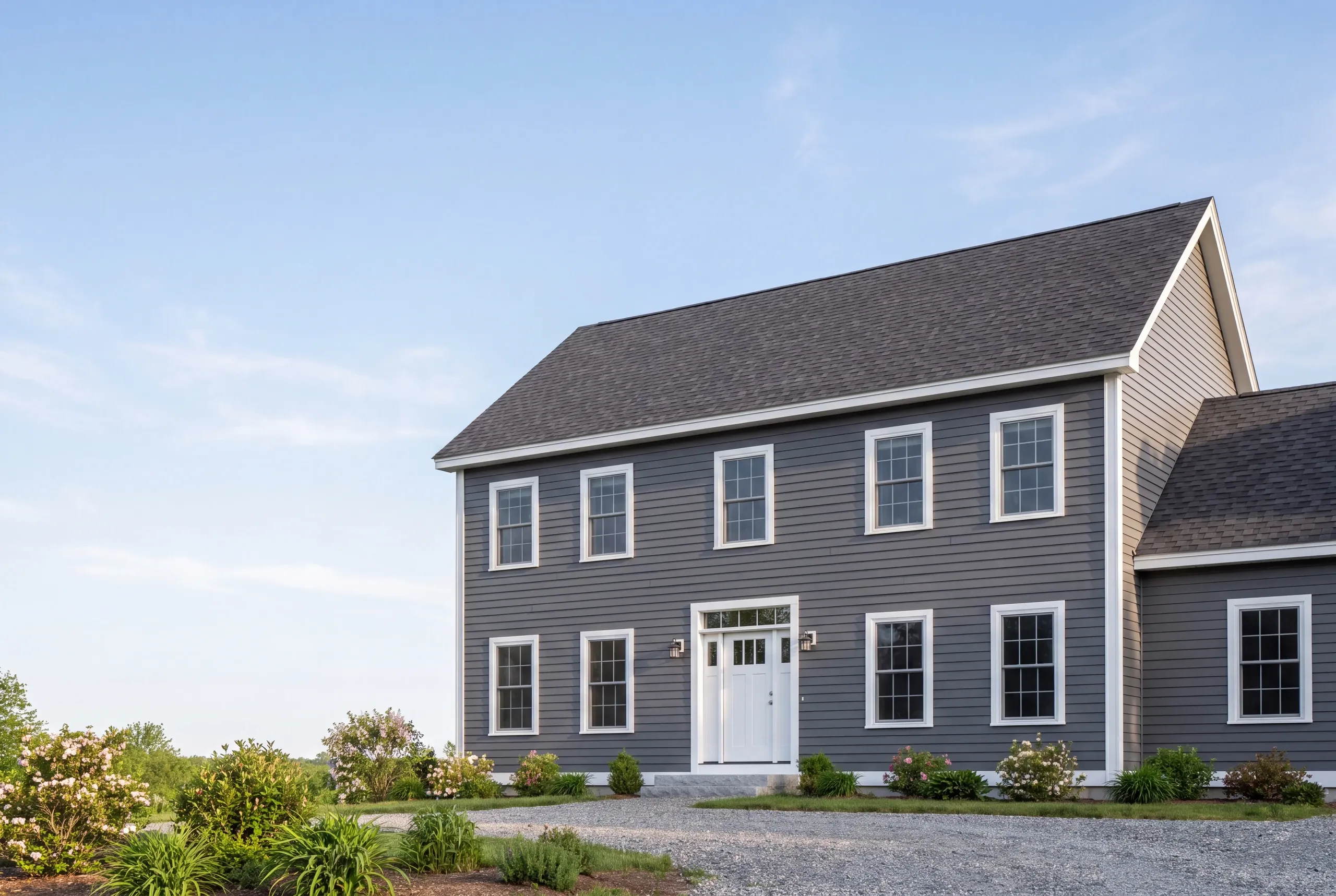
How do you get a siding price?
When you compare siding quotes, that one question explains most of the difference in price.
Ken will show you exactly what he intends to build, for nothing. His number is 207-386-9235.