
Local Home Remodeling | Kenneth Cox Construction
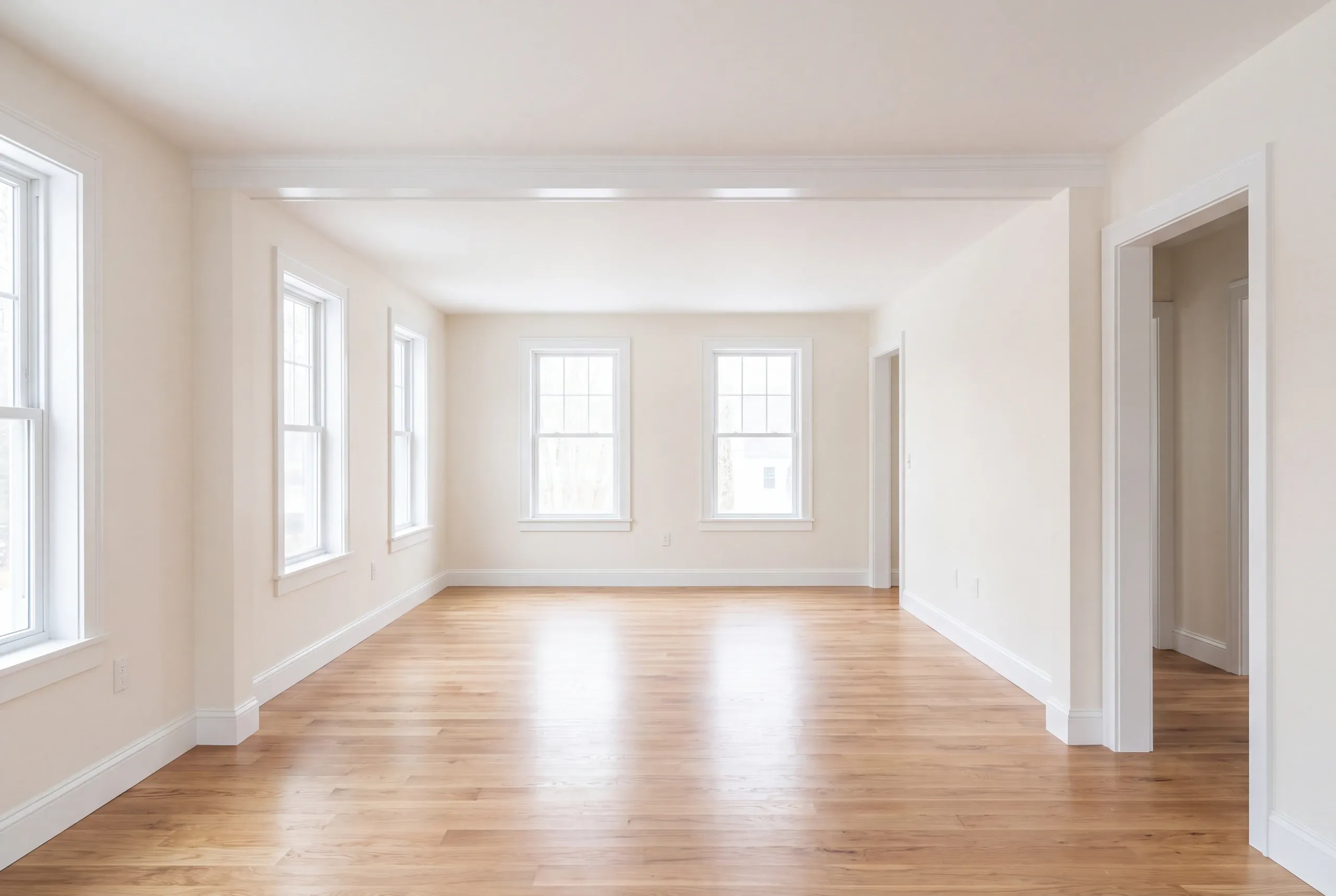
Kenneth Cox Construction has done home remodeling in MidCoast Maine since 1988, and nearly all of it happens in houses people are still living in while we work.
- 38 years in business, since 1988
- Over 250 projects completed
- Affordable work, two-year written warranty
Most remodeling in MidCoast Maine happens in houses people are still living in, and that shapes every decision on the job. Which door the crew uses, where the dust stops, whether your kitchen works on Thursday night: Ken sorts that out with you before the first wall comes down.
The unglamorous parts do the heavy lifting. Plastic containment at doorways, floor protection along the route in and out, and a schedule for shutoffs so losing water happens on a Tuesday you knew about instead of a Tuesday morning surprise.
Kenneth Cox Construction has worked in this region's homes since 1988, across 20 MidCoast and Central Maine towns. Ken is on the site itself, not reviewing photos from an office, and the workmanship warranty runs two years in writing.
Who are you hiring for home remodeling work?
Kenneth Cox Construction has been remodeling in this region since 1988, which is long enough to understand that being tidy is part of the work rather than a courtesy.
Our BBB accreditation is independently checkable and the workmanship warranty runs two years in writing. Ken is on site rather than approving photographs from an office.
How much does remodeling a house cost in MidCoast Maine?
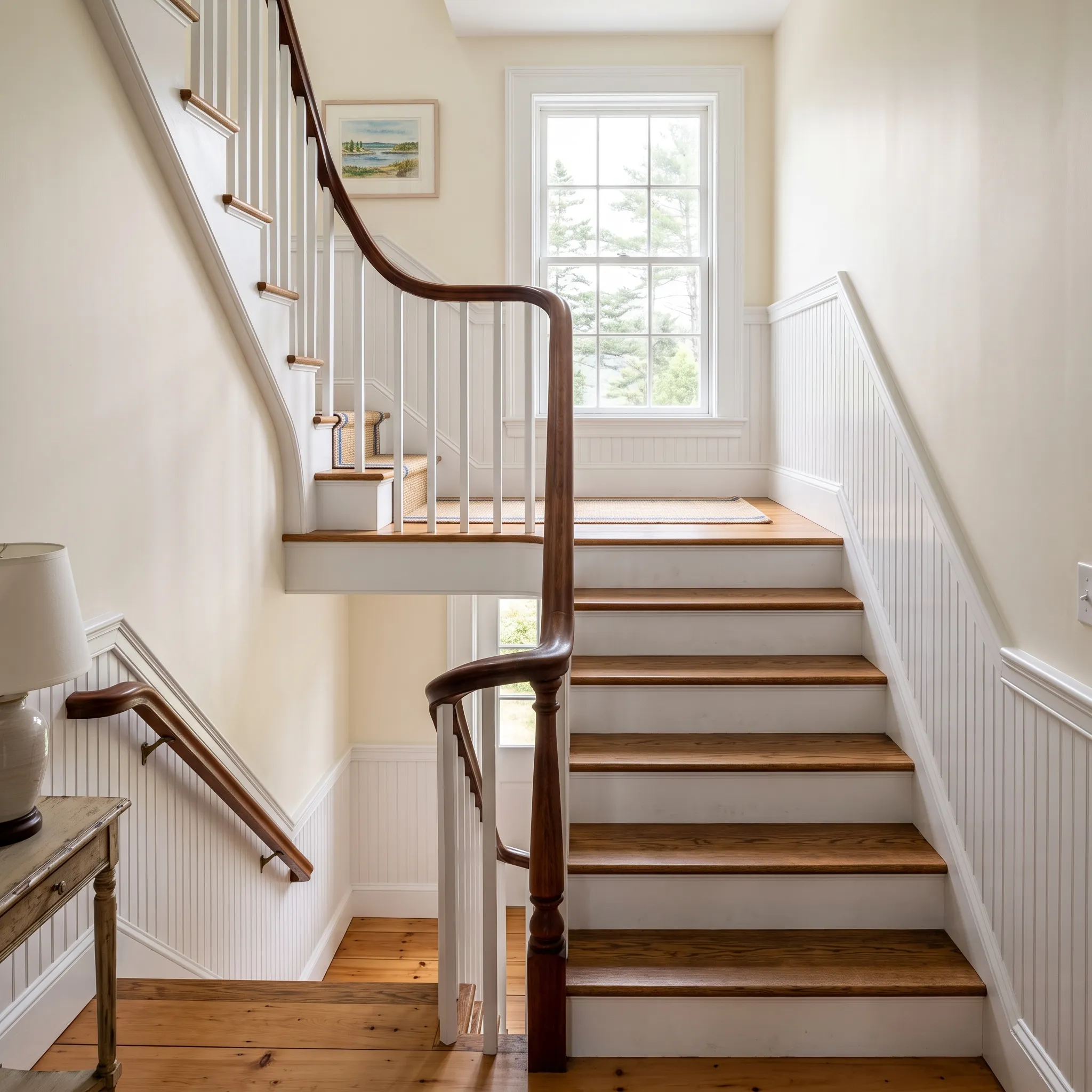
Remodeling a house in MidCoast Maine runs a wider range than new construction, for one reason: nobody is quoting a known quantity.
Remodeling ranges are wider than new construction ranges for one reason: nobody is quoting a known quantity. The bands below are averages across a lot of projects, and an older house can move within one as soon as the walls are open.
| Scope | What the range covers | Typical range |
|---|---|---|
| One room, finishes only | Surfaces, lighting, paint, minor electrical | $18,000 to $45,000 |
| Partial remodel | Kitchen, a bath, flooring, some walls moved | $70,000 to $160,000 |
| Whole-house, older home | Systems, insulation, all rooms, structural repairs | $180,000 to $450,000 |
The work that pushes a project up its band is almost never the finishes. It is knob-and-tube wiring behind a plaster wall, a sill gone soft under a window, or a floor that has to be leveled before cabinets can sit on it. We write an allowance for that rather than pretending it will not happen. It goes in a written change order with the price attached before anyone proceeds.
What else do we build in MidCoast Maine?
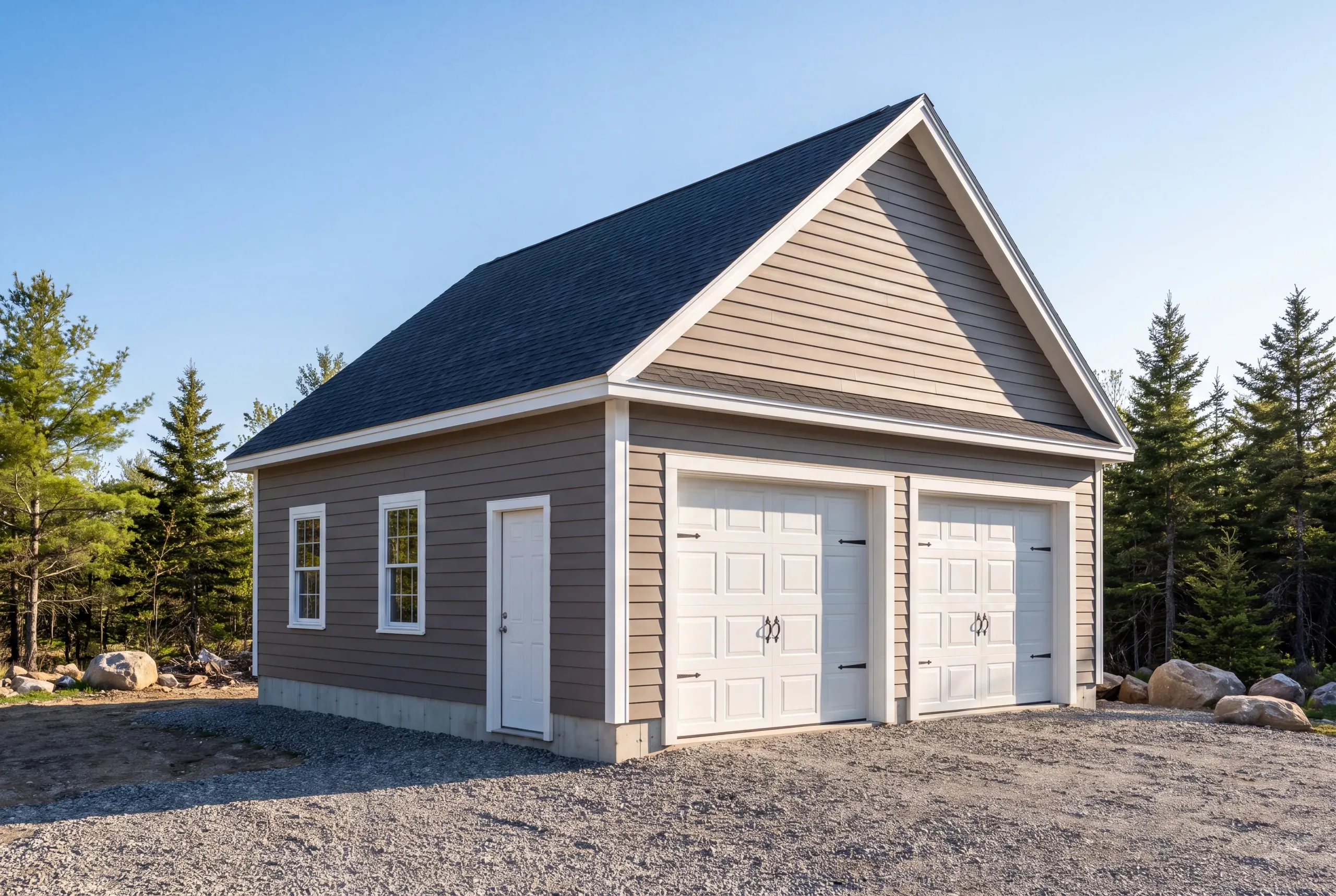
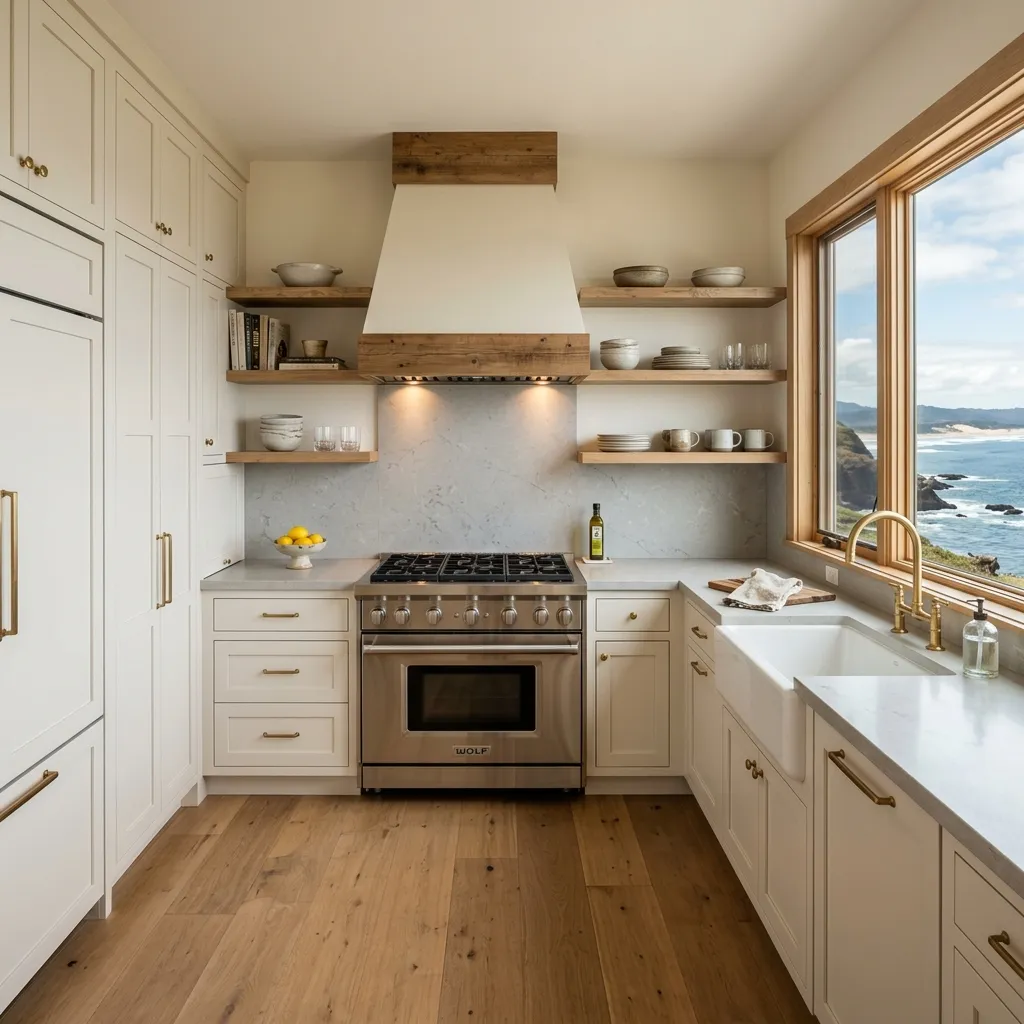
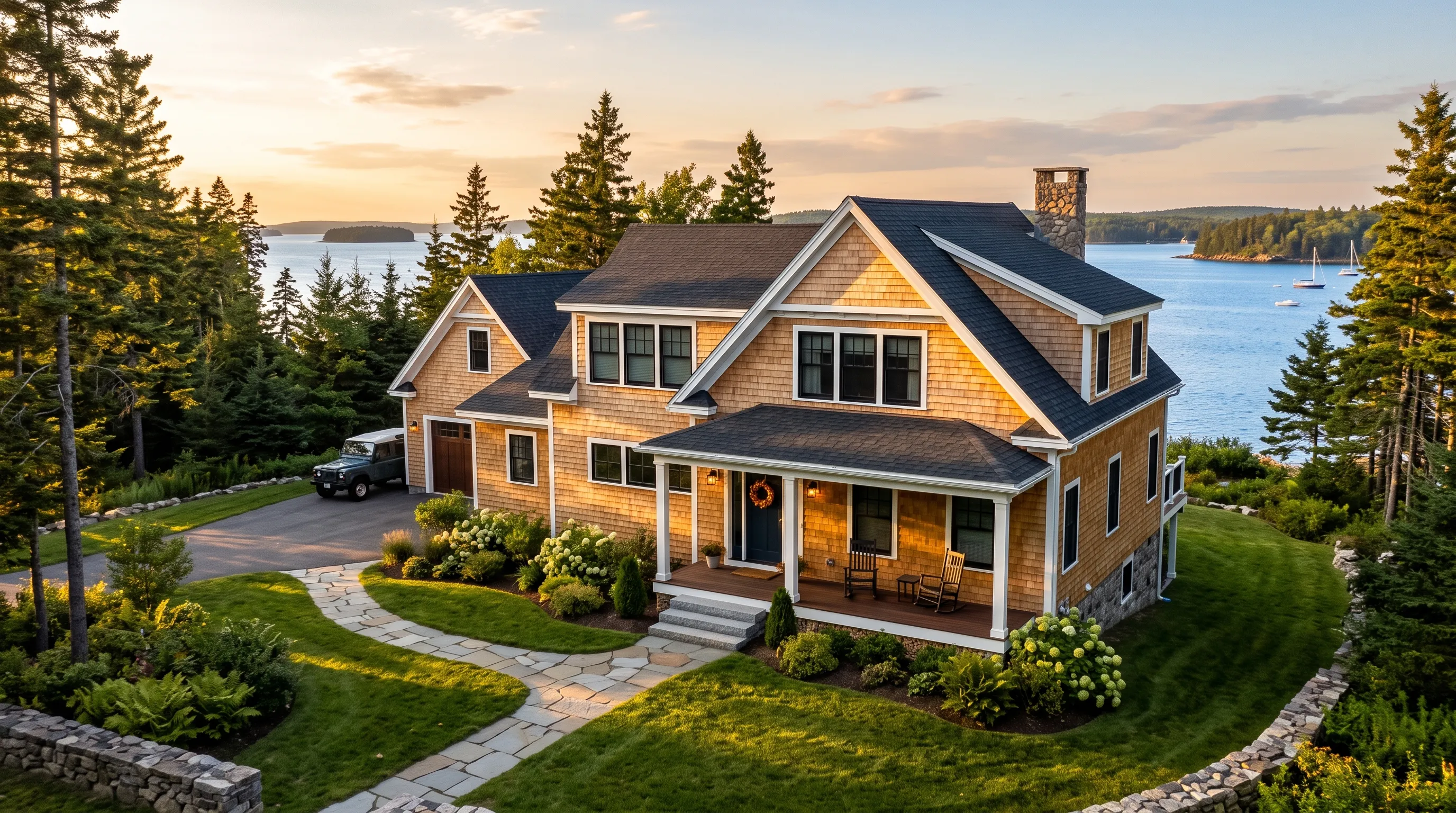

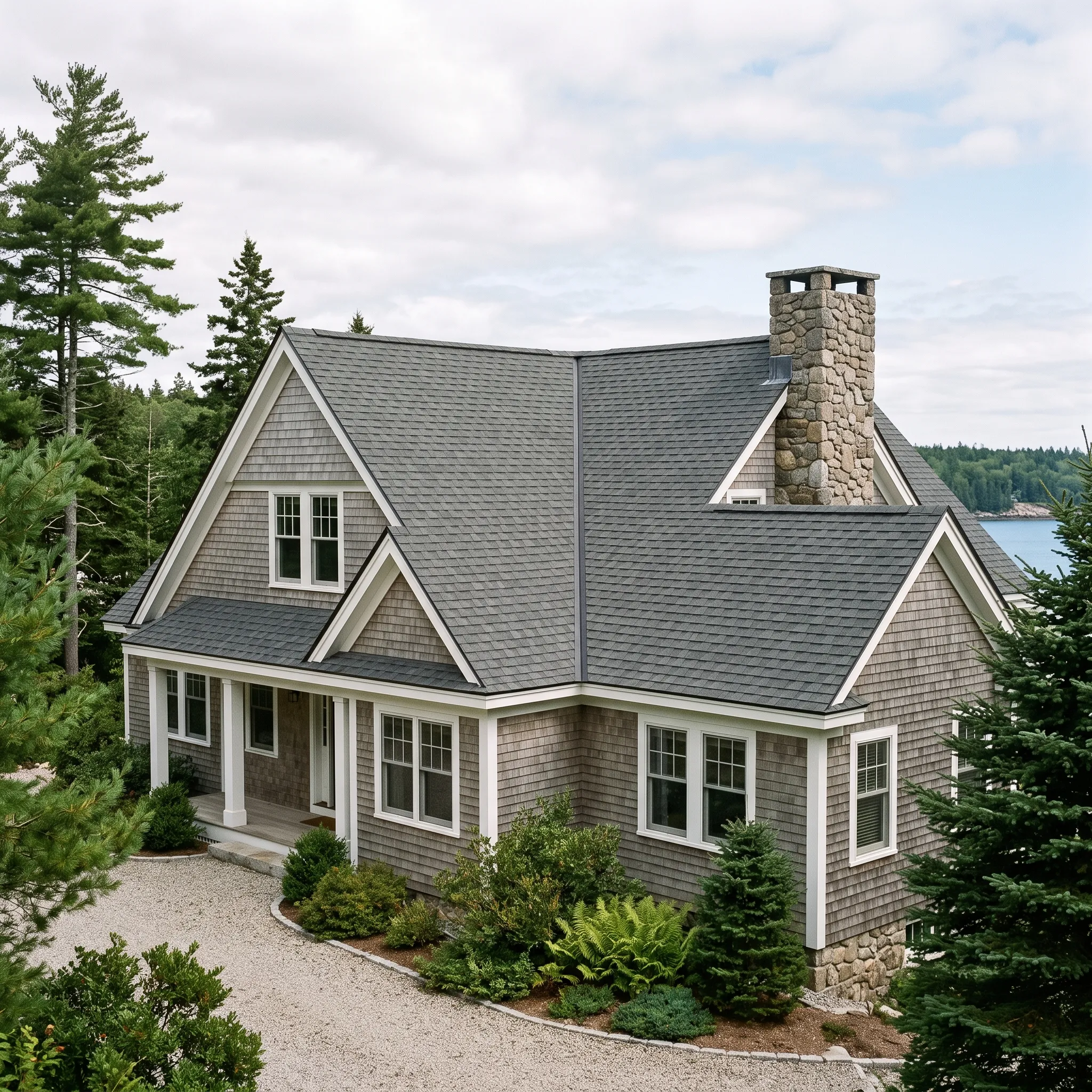

What Remodeling Services Do We Offer?
- kitchen remodeling
- bathroom remodeling
- whole-home remodeling
How does our home remodeling process work?
Get your free quote
Ken walks the rooms, investigates what he cannot see, and gives you a written scope with the unknowns identified rather than hidden.
We bring your project to life
Containment goes up first, services are interrupted only on agreed days, and the house is left usable every evening.
Enjoy your new space
Finished to the date agreed, with two years of written warranty behind the work.
What kind of remodels do we do?
We remodel houses people are still living in, which is two projects running at once: the construction, and your ordinary life continuing around it. Containment at the doorways, floor protection on the route in and out, and a schedule for shutoffs so losing water happens on a Tuesday you knew about.
Five kinds of work make up nearly all of it. Each one runs differently and each one prices differently.
That changes everything about how a job is run. Where the dust goes, which door the crew uses, what still works at five o'clock, and whether you have a functioning kitchen on Thursday.
Ken plans that with you before demolition, and everything we build carries a 2-year workmanship warranty from a BBB accredited company.
Kitchen remodels
A kitchen runs on the order of the trades, not on wishful thinking: demolition, framing, plumbing, electrical, drywall, flooring, cabinets, counters, then tile. Cabinets get ordered before demolition starts, because they are the longest lead item on the job and nothing downstream can begin without them.
Most kitchens here land between $20,000 and $35,000 for a refresh that keeps the existing layout, and $40,000 to $70,000 for a full mid-range rebuild. Move walls or relocate the plumbing and the range runs $75,000 to $130,000.
Those figures are averages across a lot of kitchens rather than a price for yours.
Bathroom remodels
The sequence is demolition, any framing changes, then rough plumbing and wiring, then waterproofing, with tile and fixtures last. Roughly half the money goes into the layer behind the tile, and every pan we build gets flood tested before a single tile is set.
A hall bath kept in its existing footprint usually falls between $15,000 and $26,000, and a full mid-range rebuild with a tiled shower between $26,000 and $46,000. Moving the toilet or the shower drain is the single biggest jump on that list, because it means opening the floor.
Basement remodels
Basements start with water, not with framing. We look at grading and gutters along the perimeter first, because finishing a basement that still takes water is money spent twice.
After that it is insulation, a warm floor assembly, egress if you are adding a bedroom, then framing and finishes.
Expect $18,000 to $45,000 for a straightforward finished room with new surfaces plus lighting and minor electrical. Adding a bathroom, egress windows or real drainage work moves it well past that, and the drainage is the part nobody can price from the top of the stairs.
Whole-home remodels
A whole-house remodel is systems first and finishes last: wiring and plumbing along with insulation and any structural repair, then the rooms. In an older Maine house it is usually the only sensible way to do it, because opening one room to the studs shows you what the rest of them look like.
Whole-house work on an older home generally runs $180,000 to $450,000, and the width of that band is honest rather than evasive. Knob-and-tube behind plaster, a sill gone soft under a window, or a floor that has to be leveled before cabinets can sit on it are what move a project inside it.
Exterior remodels
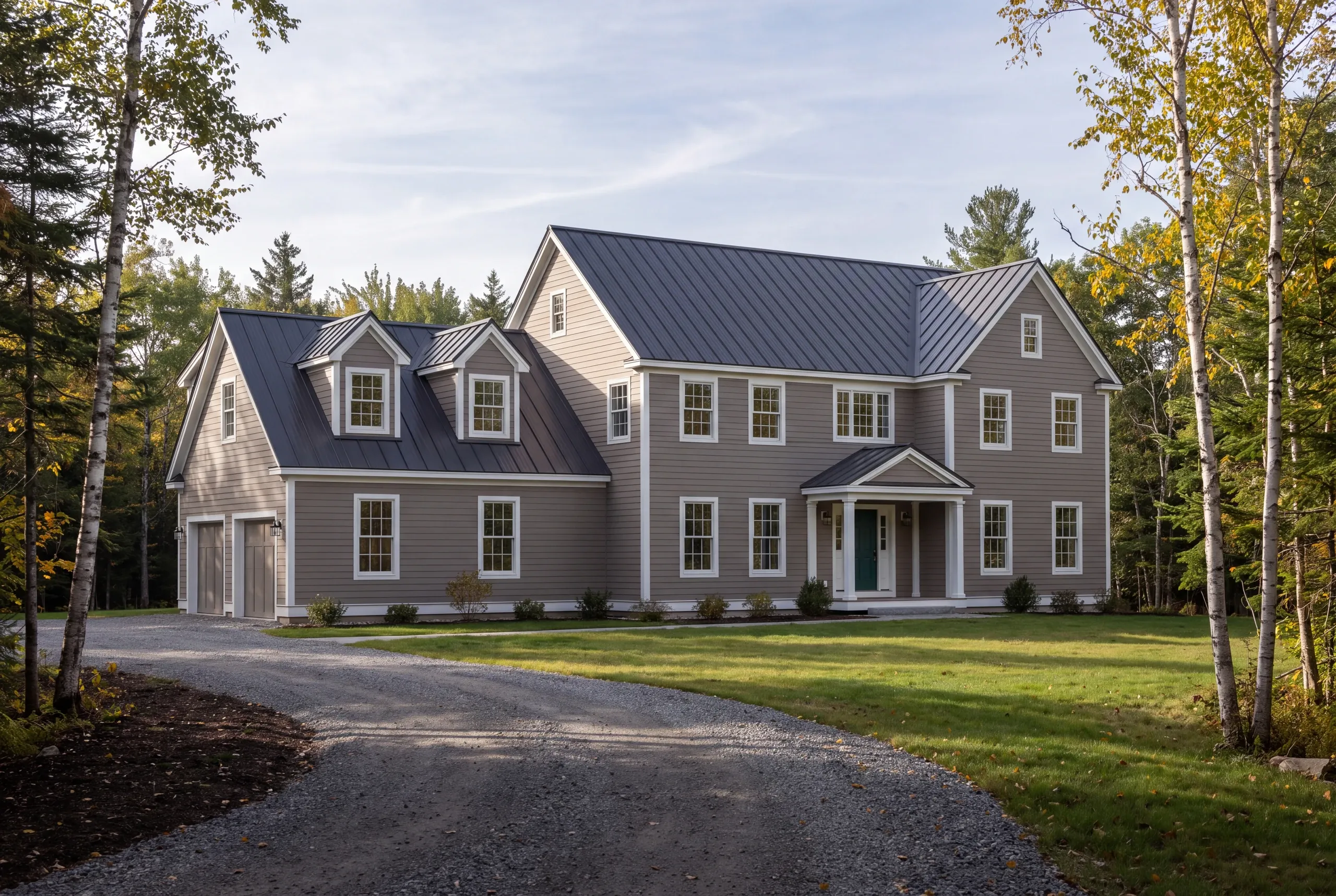
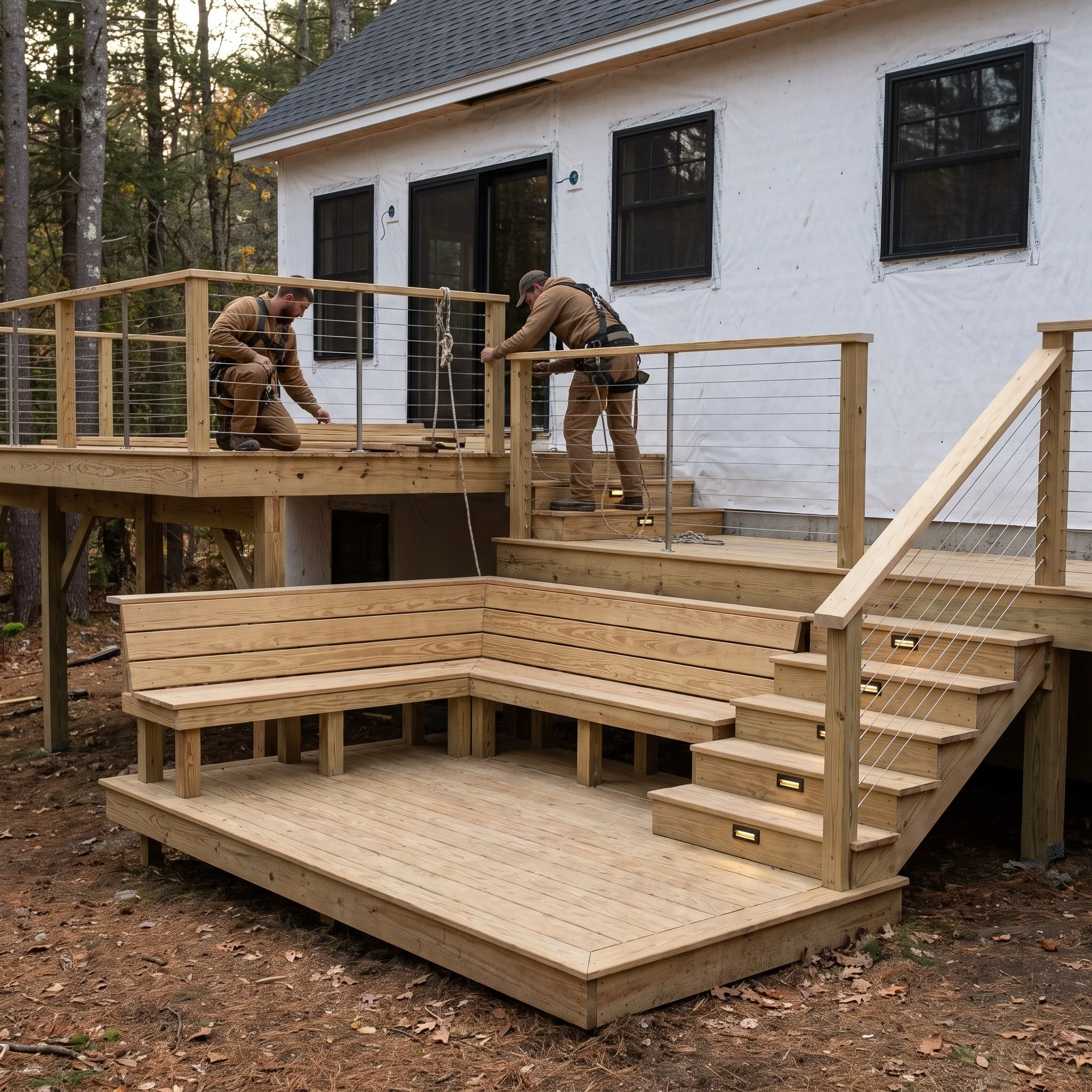
Outside work means siding, roofing, windows, doors and decks, and it is worth sequencing together when more than one is due. Staging a house once for three jobs costs less than staging it three times, and the flashing details where a roof meets a wall only get done properly when both are open at the same time.
Siding on a whole house typically runs $14,000 to $26,000 in vinyl and $29,000 to $47,000 in fiber cement, and a new asphalt roof $12,000 to $23,000. None of those include the sheathing or deck repair underneath, because until the old material is off, nobody honestly knows how much there is.
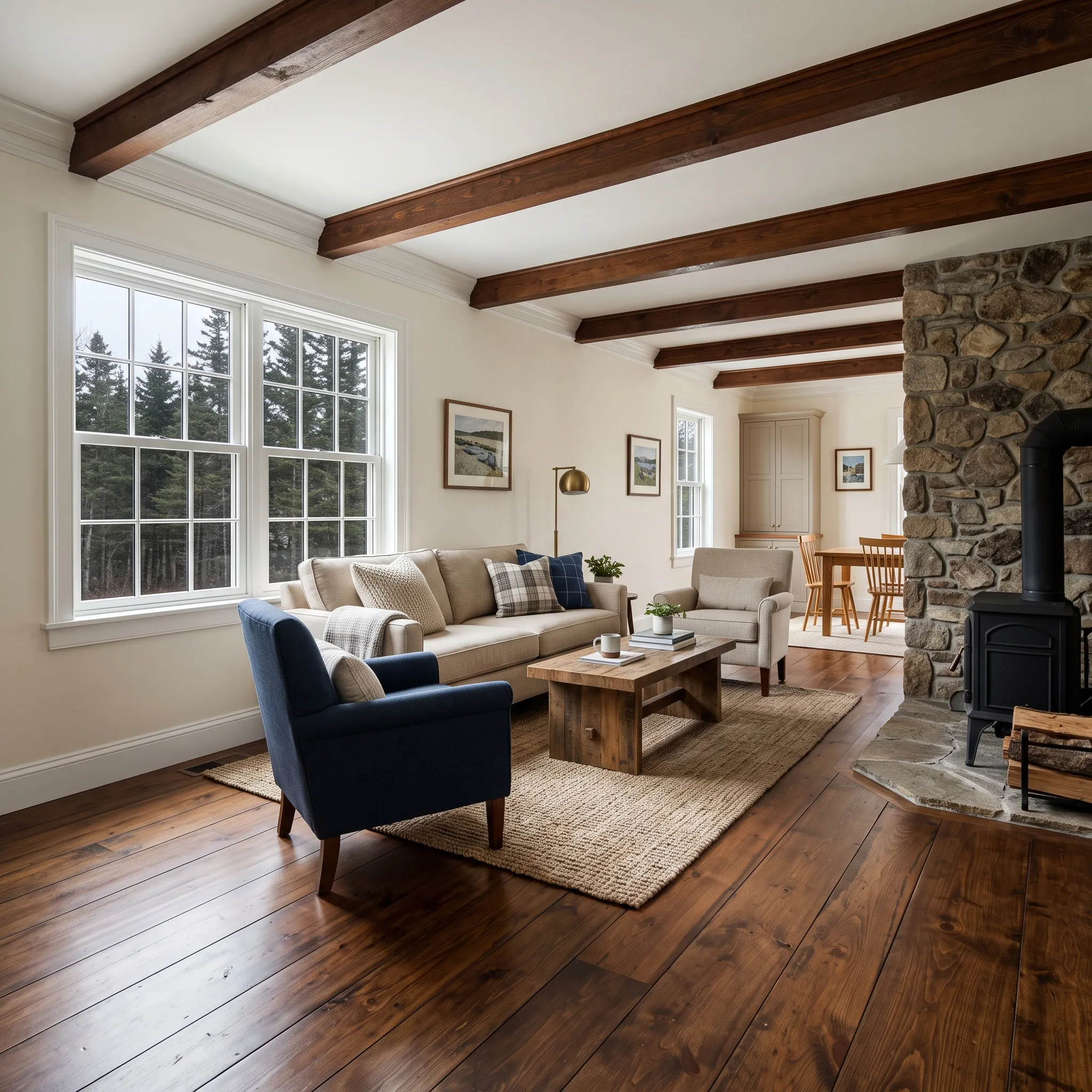
Whole houses and single rooms, additions, conversions of attics and basements, and the awkward jobs that involve moving a wall that turns out to be holding something up.
Kitchens and bathrooms have their own pages because they carry their own trades and their own timelines.
- Knob-and-tube wiring still live inside exterior walls
- Plaster worth saving over framing that is not
- Additions tied into the original house with no flashing at the connection
- Sills that have been quietly wet for decades
None of it is unusual and all of it changes a price. That is precisely why we investigate before quoting rather than after starting.
The question we get most is whether a wall can come out. Sometimes it lifts out in an afternoon and sometimes it needs a beam, posts down to a footing, and an engineer.
We find out which before we quote it. A number given without knowing that is not a quote, it is an opening bid.
Our position is simple: move the wall only when it fixes circulation, storage, or a room that cannot function as drawn. Removing structure merely to make a room feel open is rarely worth a beam, posts, footing work, and the loss of usable wall space.
We tell you honestly how long you will be without a room, and we sequence to shorten the parts that hurt most rather than the parts that are easiest for us.
If a job cannot reasonably be done while you live there, we say so. Some renovations genuinely want an empty house, and hearing that early is worth more than hearing it in week three.
A single-room remodel is the right choice when the problem and the systems serving it stop at the doorway. A dated bathroom with sound plumbing can be handled without turning the rest of the house into a construction site.
Whole-home remodeling is the better investment when old wiring, undersized plumbing, uneven floors, poor insulation, and awkward circulation appear together. Coordinating those systems once reduces repeated demolition and produces consistent floor heights and trim, matched paint and even heat from room to room.
Do not choose a whole-home scope just to make every finish match. Choose it when the work behind those finishes crosses several rooms and would otherwise be paid for more than once.
Layout earns priority over finishes. We settle appliance clearances, doorway positions, storage, bathroom access, and the route people take through the house before a cabinet or tile order is placed.
For most kitchens, better circulation and storage beat a larger footprint. For bathrooms, keeping plumbing close to its current location saves money unless the existing arrangement is genuinely unsafe or unusable.
That is the kind of trade-off a remodeling plan should resolve in writing.
Ask what the containment and cleanup routine is, and what time the crew starts and stops. Those answers describe your next two months more accurately than any drawing.
Then ask what happens if something structural turns up. There should be a written allowance and an agreed rate, not a conversation held while a wall is open.
From the scope, the age of the house and what the investigation finds, never from a per-square-foot figure applied to a building nobody has opened.
Ken visits, looks properly, and prices the known work firmly with written allowances on the rest. There is no charge for the visit.
What home remodeling questions come up most?
Do I have to move out?
You usually do not have to move out. Most remodels are staged so you keep a kitchen or a bathroom in service, and we will tell you when a job genuinely wants an empty house.
How do you keep the dust down?
We keep the dust down with sealed containment at openings, negative pressure where it is warranted, floor protection on the route, and cleaning daily rather than at the end.
Will you find asbestos or lead?
We may find asbestos or lead on pre-1978 housing. Lead paint work follows the federal renovation rules, and suspect asbestos material is tested and handled by an abatement contractor rather than disturbed.
Can insulation be improved while walls are open?
Insulation can be improved while walls are open, and it is the ideal moment. Efficiency Maine sometimes has rebates. We will price it alongside so you can decide.
How do you start a home remodeling project?
You start a home remodeling project by telling Ken which rooms are bothering you. Tell Ken which rooms are bothering you and he will tell you what is realistic, what it costs, and how disruptive it genuinely is.
No charge for the visit, and no follow-up campaign afterward. Call 207-386-9235.