
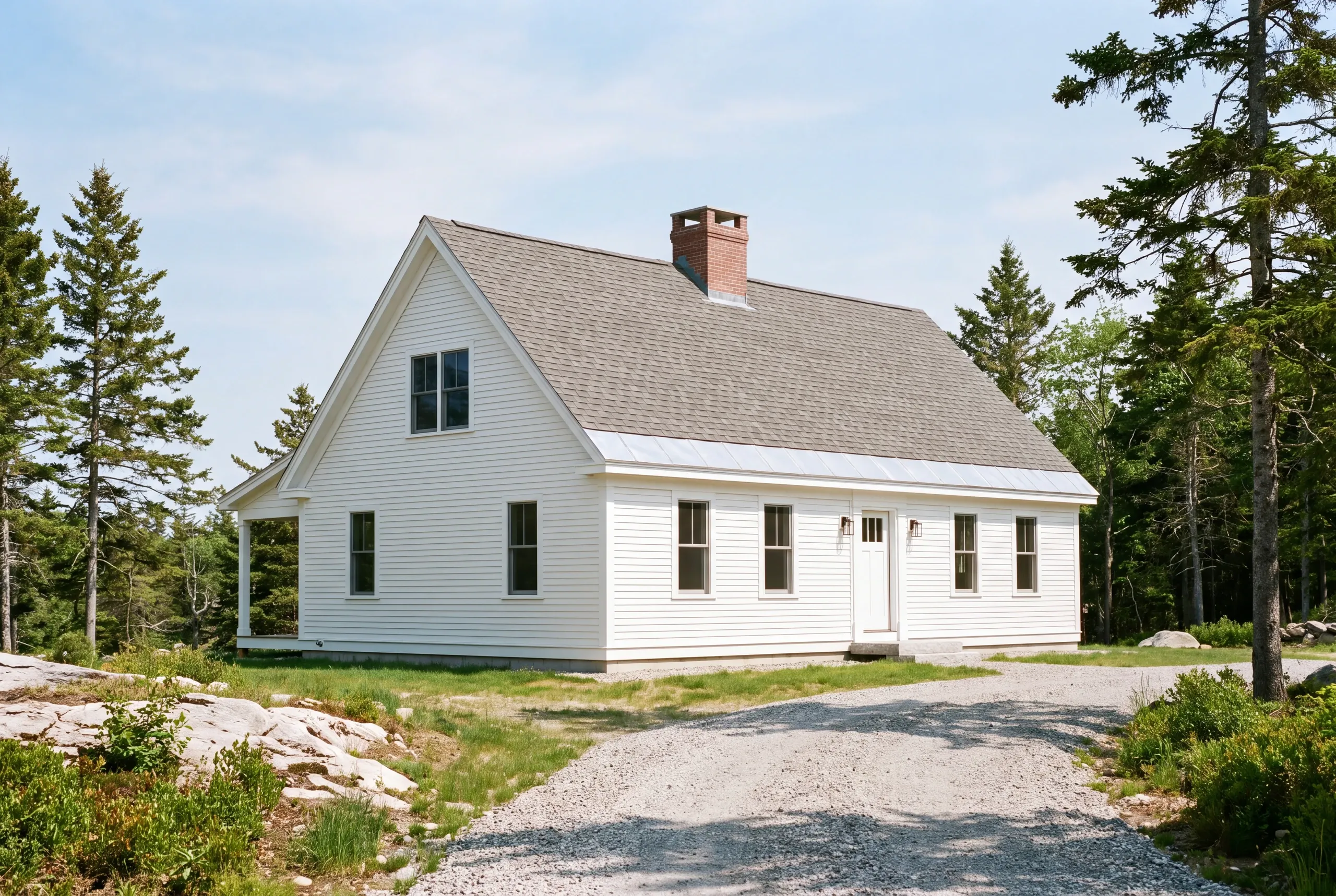
Roofing Contractor in Lincolnville, ME
Kenneth Cox Construction is the roofing contractor in Lincolnville, ME that gets called after somebody insulated a camp roof and the deck started rotting from underneath.
- 38 years in business, since 1988
- Over 250 projects completed
- Affordable work, two-year written warranty
Roofing in Lincolnville often comes down to one detail: a sloped ceiling with no attic above it. Kenneth Cox Construction builds those roofs so they can dry, which matters on the camps and shore cottages being converted to year-round use around the Beach and Megunticook Lake.
Pack insulation tight against the sheathing and the underside of your deck becomes the coldest spot in the house. Winter moisture condenses there and the wood goes soft. Two builds work: a real vent channel from soffit to ridge, or a properly detailed unvented assembly.
Ken has been building in this part of Waldo County since 1988, from a shop in Searsmont about twenty minutes from most Lincolnville addresses. Every roof carries a written two-year workmanship warranty, and shoreland zoning on the bay and the lake shapes what gets built where.
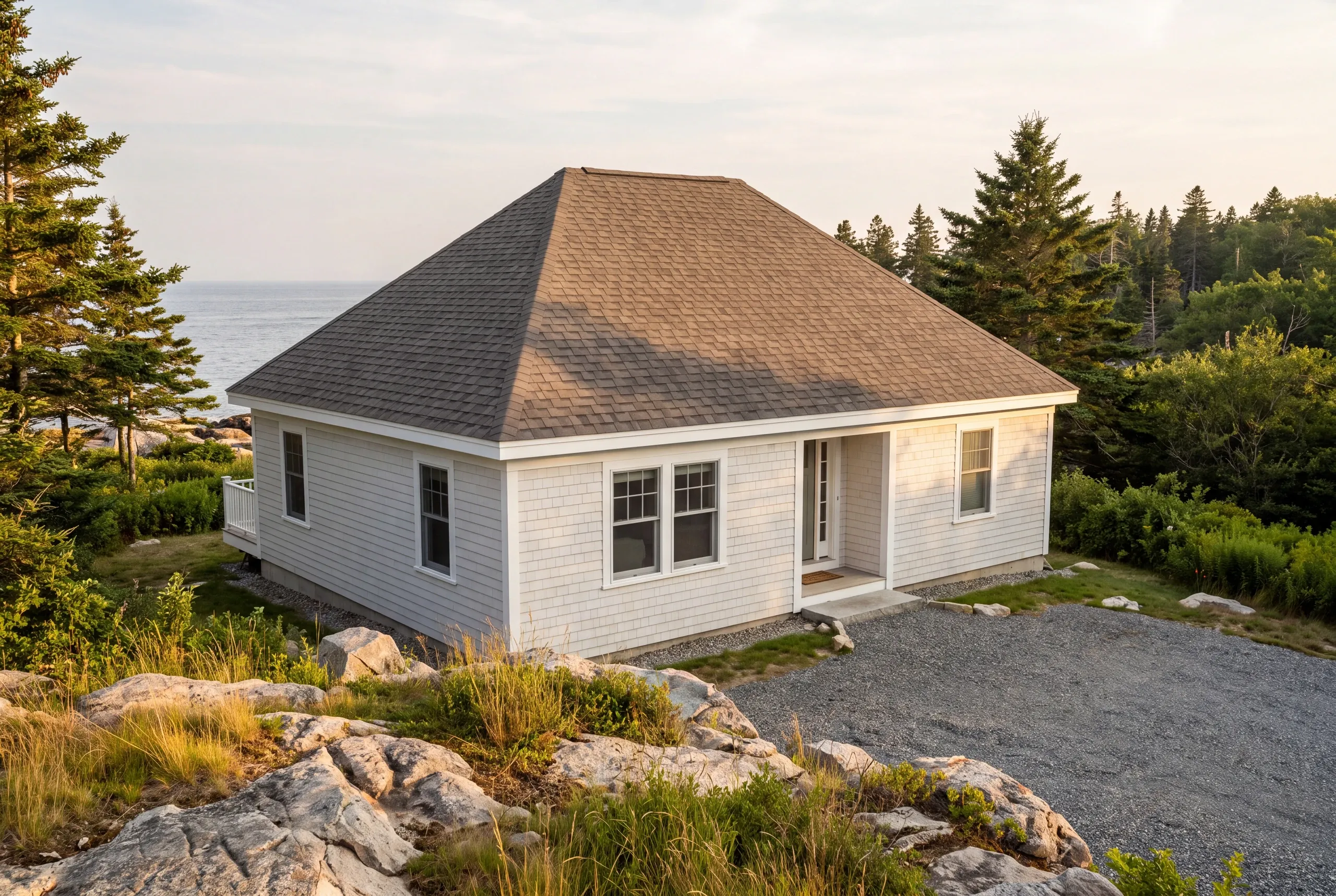
Why Lincolnville Residents Hire Us for a New Roof
Kenneth Cox Construction works from Searsmont, close to most Lincolnville addresses, and we have been building here for thirty-eight years.
Accreditation with the BBB is on record, and we back every roof with a written two-year workmanship warranty.
Get a roofing estimate for your Lincolnville home
Five questions about the roof, then where to send it. Ken has been roofing MidCoast houses since 1988.
What other contractor services do we offer in Lincolnville?
Where do we work besides Lincolnville?
Lincolnville
Where is our shop?
Directions from Lincolnville, ME to our shop in Searsmont
128 New England RoadSearsmont, ME 04973
What Roofing Services Do We Offer in Lincolnville?
- roof repairs and patch work
- roof decking replacement
- flashing and ventilation upgrades
- full tear-offs vs. layovers
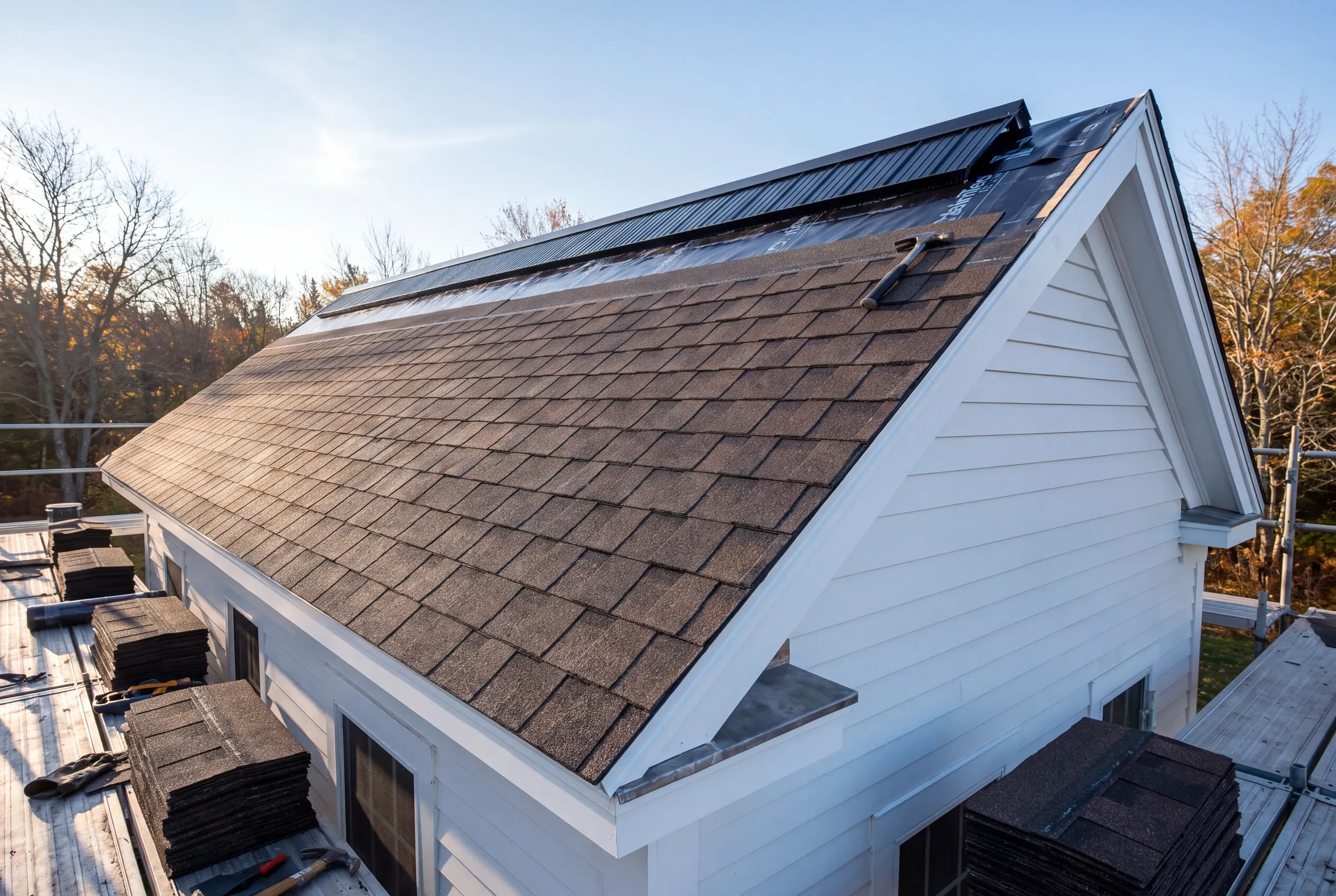
- asphalt shingle roof installation and replacement
- metal roof installation and replacement
What is our roofing process in Lincolnville, ME?
Get your free quote
Ken looks at the ceiling assembly, the soffits and the ridge, and works out what is actually built up there before pricing.
We bring your project to life
The assembly is rebuilt as a proper vented or unvented roof, with intake and exhaust or continuous material against the deck.
Enjoy your new space
The camp holds heat in February and the deck above your head stays dry.
Why hire us as your roofing contractor in Lincolnville, ME?
Homeowners hire us as their roofing contractor in Lincolnville, ME because a cathedral ceiling is a different roof and we treat it like one. In a house with a proper attic, warm moist air that escapes the ceiling has somewhere to go and ventilation carries it away, and a cathedral ceiling has no such space.
The rafter bay is the whole assembly. Fill it with insulation touching the deck and any moisture reaching that point condenses on cold sheathing all winter, with nothing moving air past it.
There are two ways to build it correctly: keep a genuine ventilation channel above the insulation from the soffit to the ridge, or build it deliberately unvented with the right materials against the deck. Halfway between those is where roofs rot.
A sloped ceiling with no attic above it is an unforgiving assembly. Stuff insulation into the rafter bays without a plan for moisture and the underside of your roof deck becomes the coldest surface in the building.
Ken builds these roofs so they can dry, and every roof we install carries a 2-year workmanship warranty from a BBB accredited company.
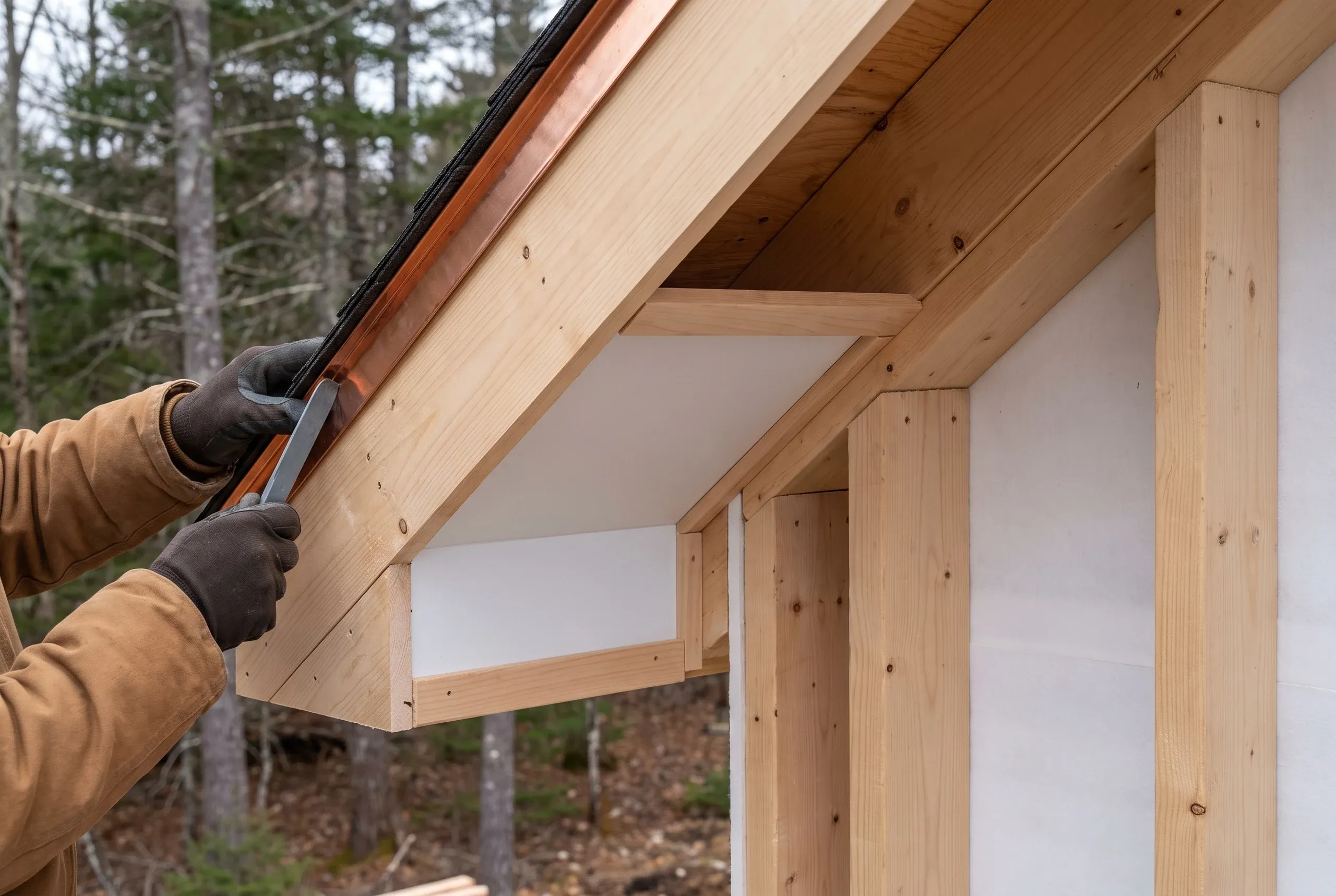
A large share of our Lincolnville work is on cottages and camps being brought up to year-round standard, where somebody has already made a start on the insulation.
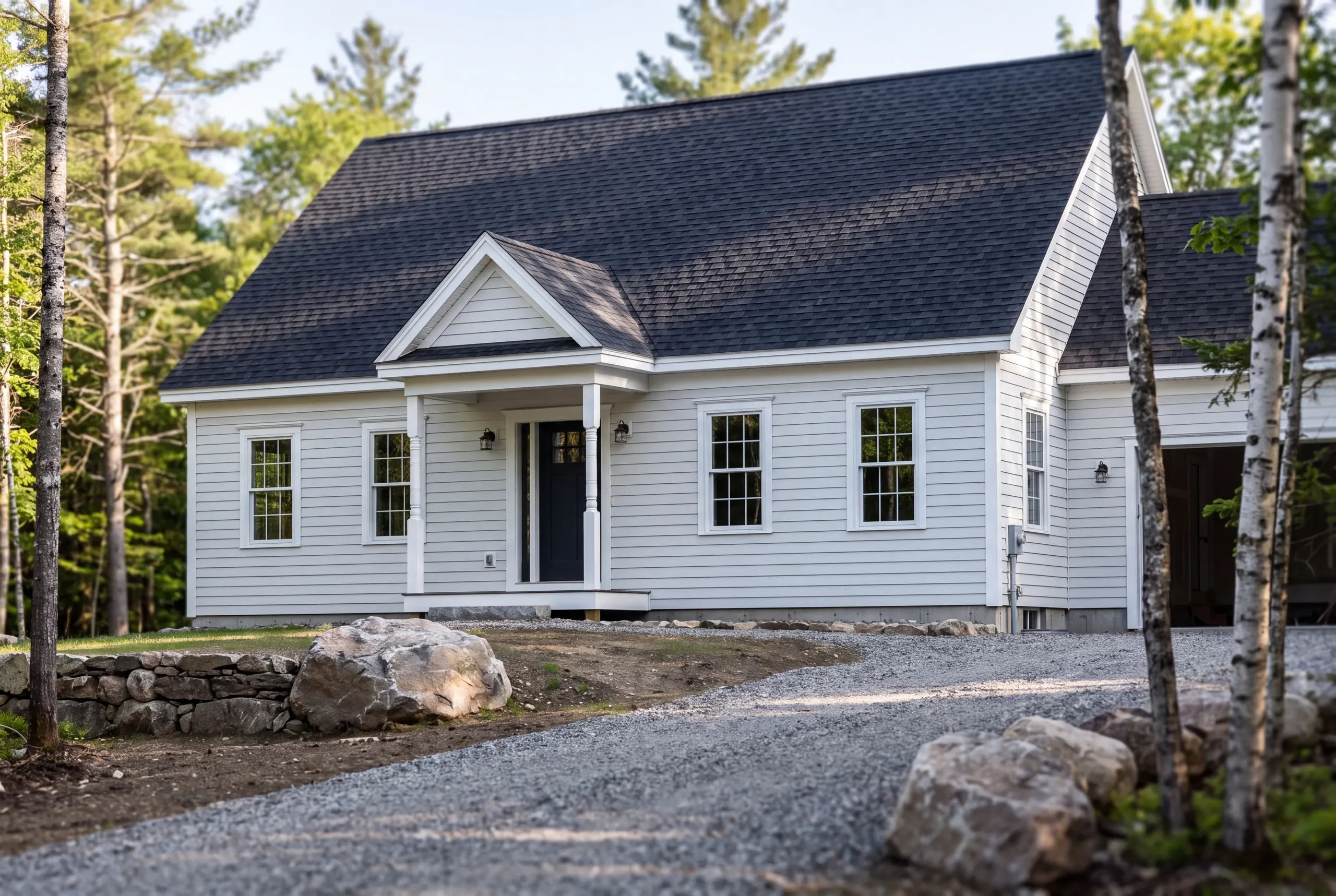
The rest is farmhouses and capes inland, plus shore properties at the Beach where exposure rather than insulation is the driving concern.
Building a cathedral roof properly involves a vented assembly: baffles in every rafter bay holding a clear channel, real intake at the soffit, and a continuous ridge vent that is actually open rather than decorative.
For an unvented assembly: the correct material against the underside of the deck to keep it warm enough that moisture never condenses there, detailed continuously with no gaps.
We work on roofs across Lincolnville, at the Beach and along the shore road, around Megunticook Lake, and out on the inland roads running toward Hope and the Camden Hills.
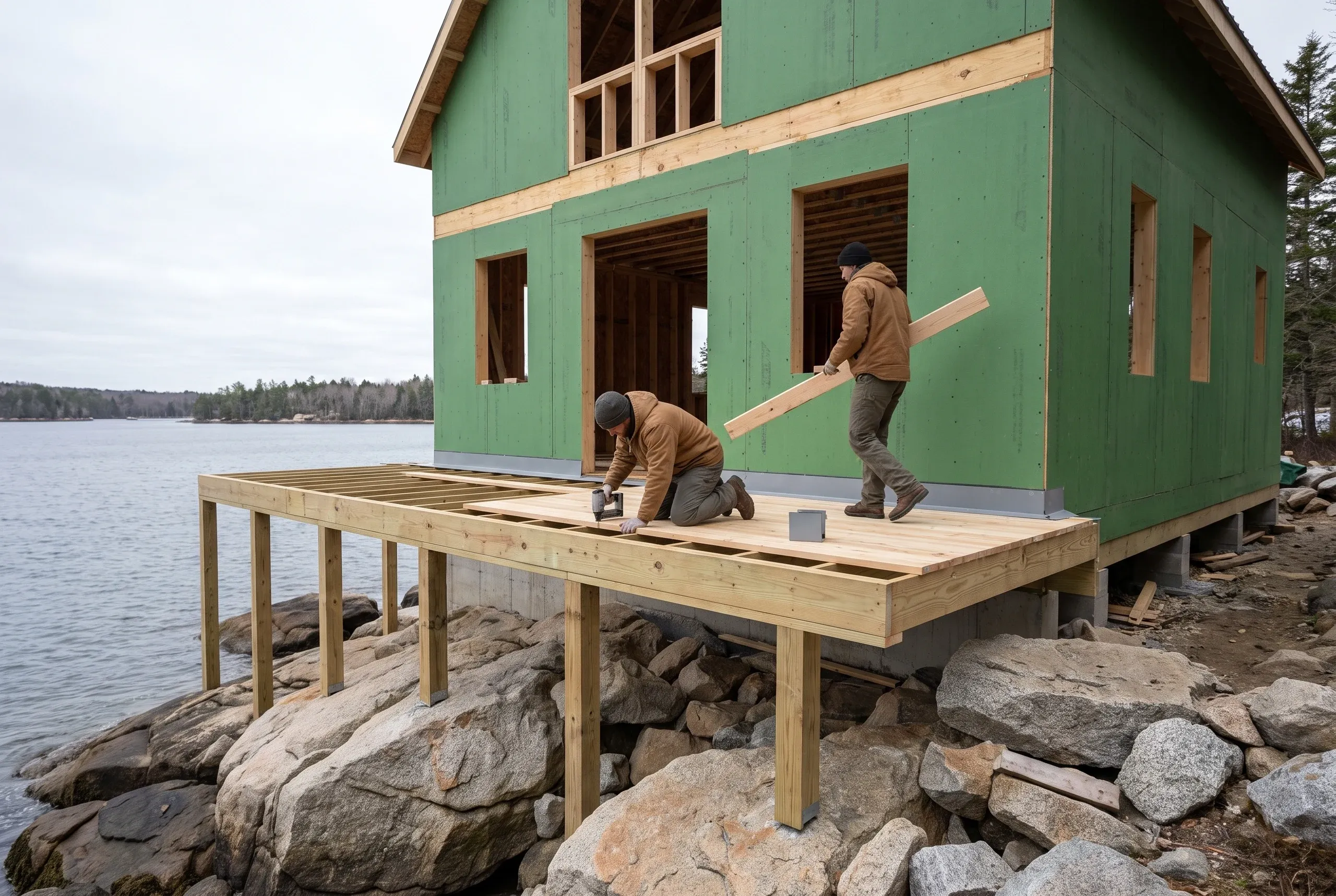
Shore and lake properties carry shoreland requirements for anything structural, and the steep shore lots make staging a genuine part of the plan.
You should schedule roof work in Lincolnville for late spring through early autumn, and a cathedral roof rebuild wants a settled stretch since the assembly should not be left open.
Conversions are best planned over the winter. The roof usually needs to be sorted before interior finishes go in, and doing it in the other order wastes money.
Conversions go wrong because of sequence first. Insulation often gets added by whoever is doing the interior, with no thought given to what the roof assembly now needs.
Intake is the second. A ridge vent with no soffit intake below it does very little, and a great many camps have soffits that were never opened.
Occupancy is the third. A building used in July produces almost no interior moisture, and the same building lived in through February produces a great deal.
Ask whether they intend to build the roof vented or unvented, and listen for a clear answer. Anybody who has not decided is going to end up somewhere in between.
Then ask what happens at the soffit. That detail is where most vented cathedral roofs quietly fail.
A cathedral roof costs the same as any other in Lincolnville when the assembly under it is sound. Rebuilding that assembly properly costs more, because it involves the inside as well as the outside.
We price it against current energy code guidance and explain both approaches, since the right answer depends on the roof you have rather than on our preference.
What questions come up most in Lincolnville?
How do I know if my deck is already rotting?
You know the deck is already rotting from staining or a musty smell at the ceiling, and soft spots felt underfoot on the roof. Opening one bay tells you the rest.
Can you just add a ridge vent?
We can just add a ridge vent only where there is intake at the soffit to feed it. A ridge vent with nothing below it can even make matters worse by pulling air from inside the house.
Do I need a permit to reroof here?
You generally do not need a permit to reroof here on a straight replacement, and structural or shoreland work does. We confirm it with Lincolnville Code Enforcement.
Is a metal roof better on a camp?
A metal roof is better on a camp for shedding snow and for lasting, and it does nothing to fix a bad assembly underneath. The roof under the roof is the decision that matters.
Metal Roofing for Lincolnville Homes
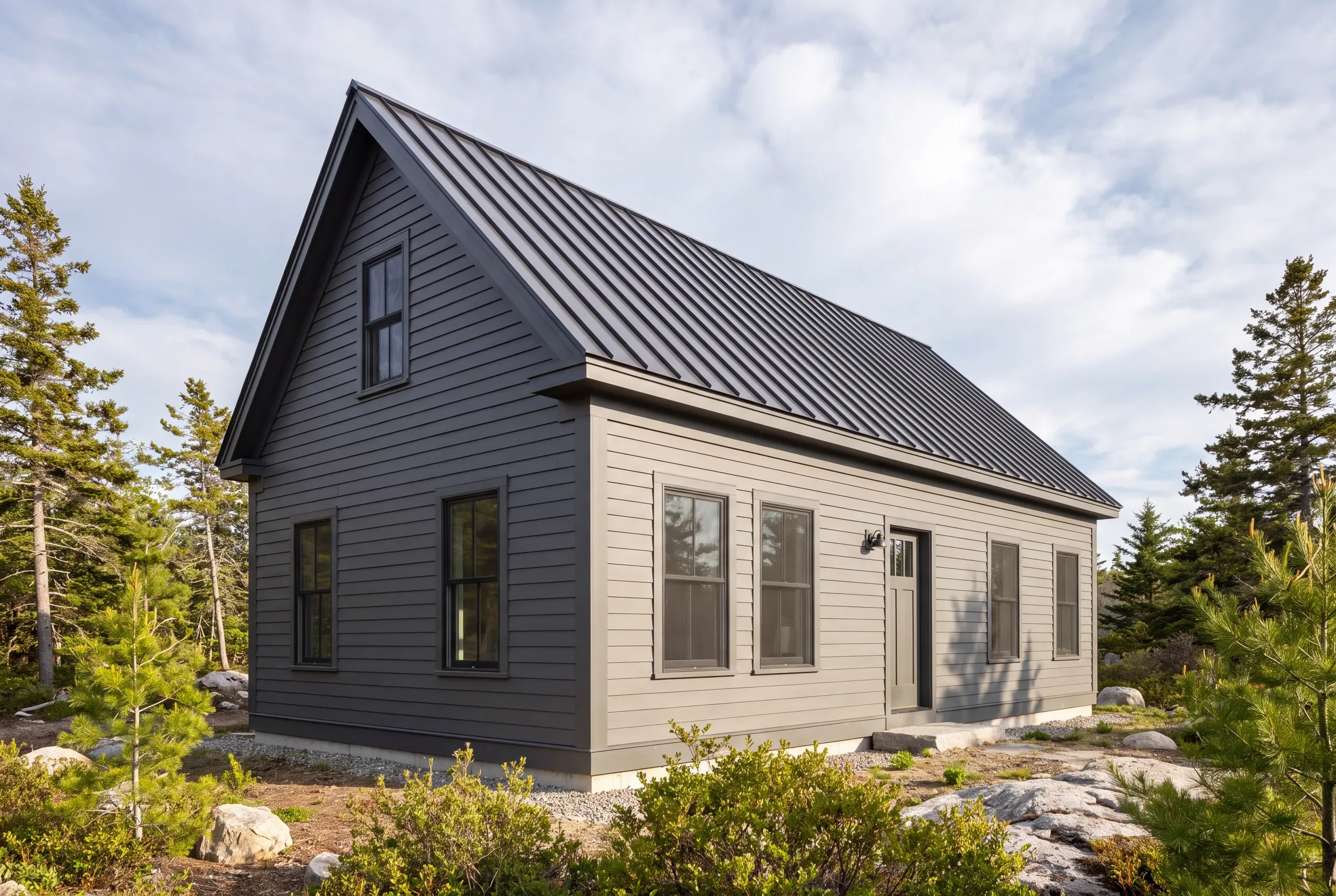
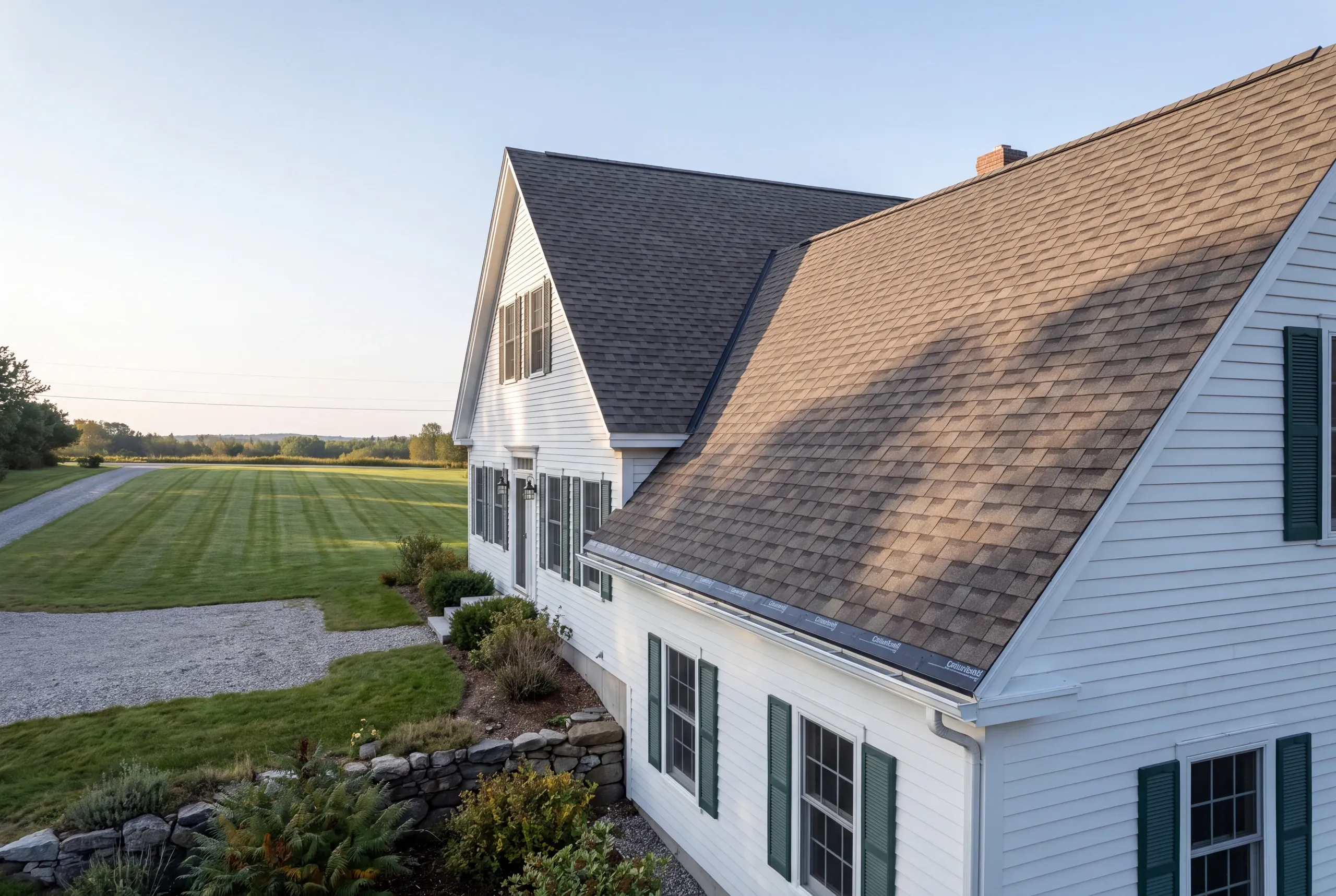
Standing-seam metal is usually worth considering on Lincolnville's rural homes with long, simple roof planes. Snow releases readily and the concealed-fastener system handles exposed conditions well.
On a roof broken up by additions and valleys, we often favor asphalt because every extra metal transition adds labor and leak risk.
\n\n
What are your next steps for roofing in Lincolnville?
Your next step for roofing in Lincolnville is to settle the assembly before the shingles. If a camp here is being made year-round, the roof assembly is the decision that has to be right first.
Ken will look at what is up there now and tell you what it needs. Reach him at 207-386-9235.